Week 5 was interesting because things started to feel a bit more structured compared to the chaos of week 4. I was starting to understand what research methods I was actually using and how to organize my RPO, but I was still struggling with articulating what my project actually was in clear terms.
I was torn on the introduction of should I open with many examples to show I know the field, or would that be too much context upfront? I realized the introduction must encompass my whole project, explaining what I'm actually doing (the visual toolkit) rather than just the topic I'm tackling.
We had a Case Study Workshop this week. I was set on Research through Design with Critical Journaling, treating the making itself as the research. I added the Case Study method, though I wasn't entirely sure how I'd apply it.
We also had a talk on how to structure the RPO: keeping it clear, direct, and ensuring everything connects back to the core research question.
WEEK 5
Ashley's Ethos
Ashley from Feelers talked about using metaphors (like "computational pandemonium") to make technical processes accessible and focusing on visual communication rather than complexity. This validated my need to simplify my project's output and language.
Multidisciplinary Practice
I committed to this method to generate knowledge and explore possibilities, making prototyping the central focus of the investigation itself.
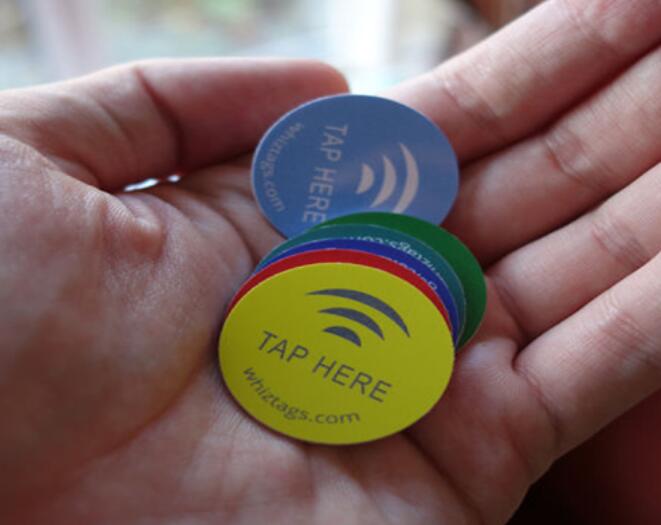
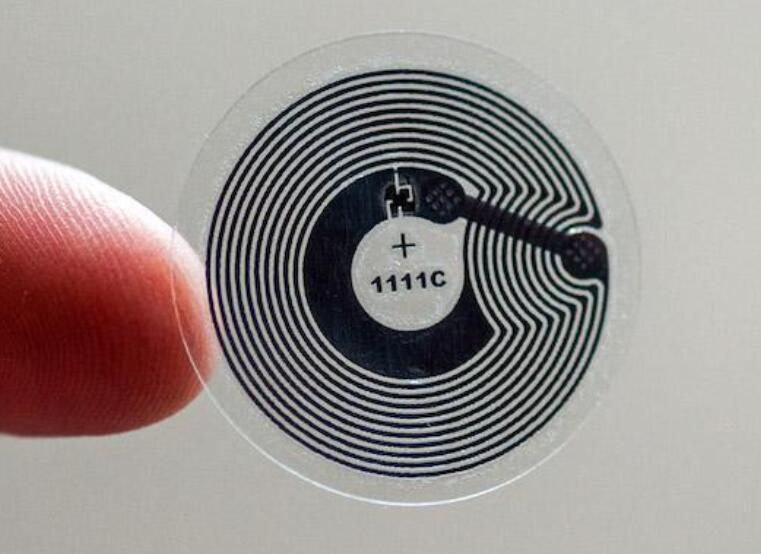
RFID Tagging
I was experimenting with RFID tags, trying to figure out if tagging physical objects could be part of the interaction flow for the visual toolkit, making the personalized computational objects tangible.
The Feelers talk was very impactful. Ashley emphasized that designing performances needs to be simpler, and we need to be able to communicate something clearly to our audience.
She also pointed out the difference between the designer's experience (mostly laptops) versus others (like dance, focusing on talking and moving in space). That made me think about the affordances we want from specific objects to make them more powerful for different types of users.
Her entire lecture reinforced that I needed to simplify and focus on clear communication rather than getting lost in technical complexity.
I was still thinking about the tool-making direction: Is it a creative tool? A collaborative tool? I was trying to figure out the exact purpose of the visual toolkit I intended to build.
For the Friday Elective, I focused on assisting friends, mainly Letticia and Jared. We did some experiments with sound and light, which helped clarify which Arduino libraries were the "good ones" to work with. I had been quite lost on this before.
This week felt like the calm before the storm, less chaotic than week 4, more focused on structure, refining the RPO, and clarifying communication strategies.