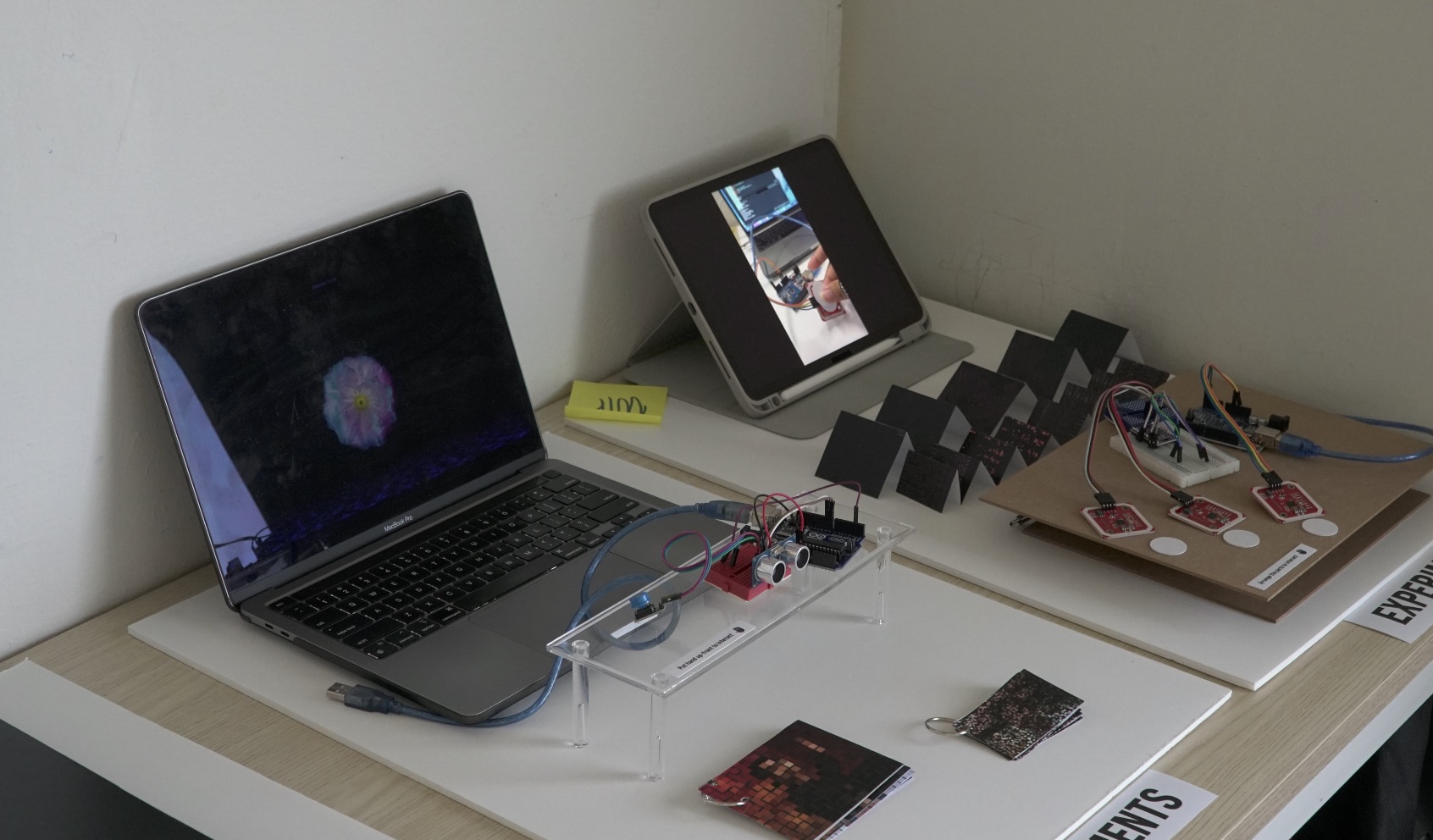
The formative consultation this week was a necessary reality check for me. I had been operating under the assumption that "Critical Making" was simply rigorous iteration. I thought if I made enough things I was doing it right.
However, after reading the literature from Matt Ratto and getting some feedback, I realized the definition is much more political. It uses the act of making to question systems and not just to create products. This forced me to pause and ask a hard question: Am I just making cool lights, or am I actually critiquing the exclusivity of current visual performance tools?
The answer was uncomfortably close to the former, so I knew I needed to shift my approach.
WEEK 7
Hypothesis Failure
I wrongly assumed Critical Making was just making random things. The reality: it's about using the act of making to critique the social and political dimensions of technology (Matt Ratto).
The Gap
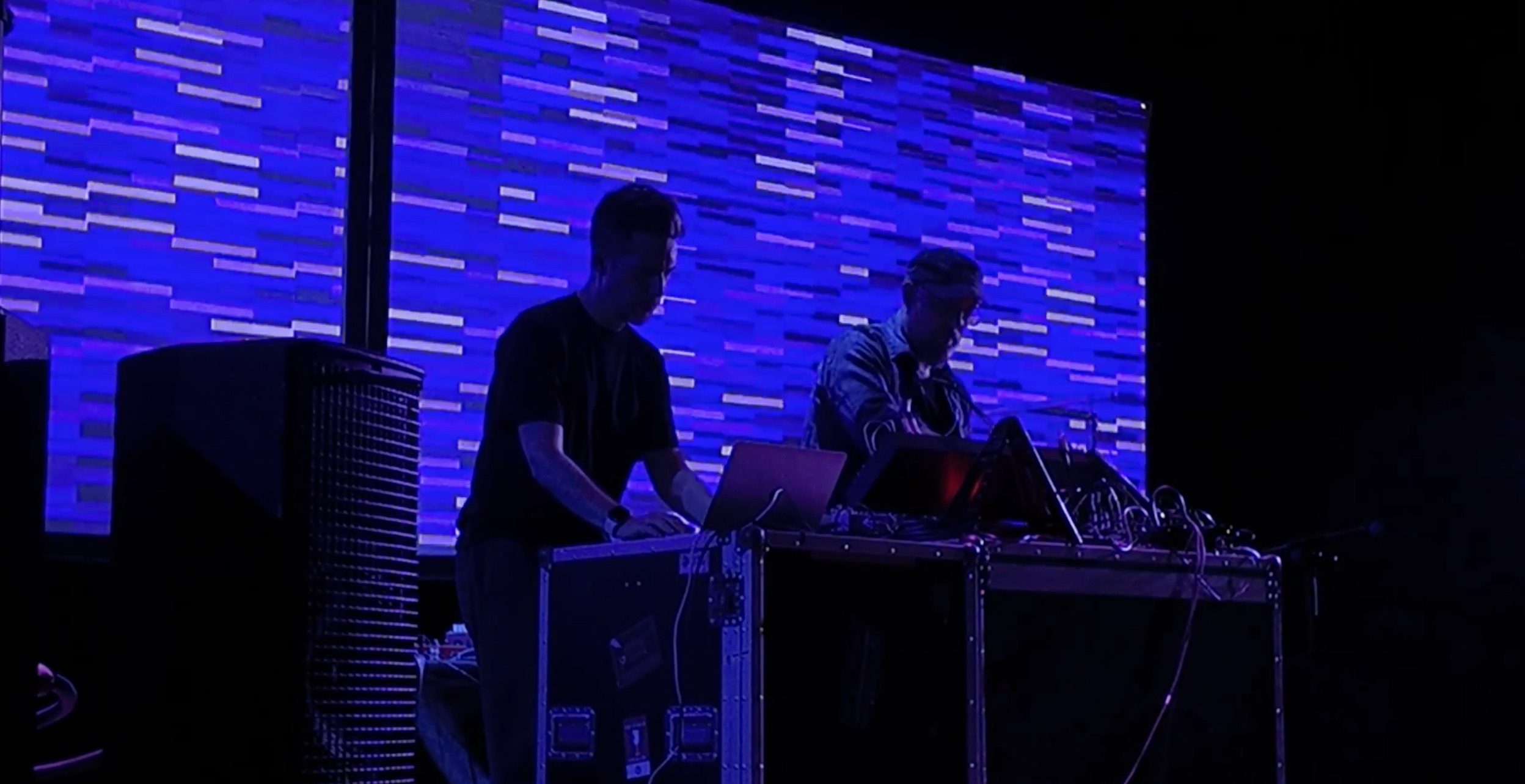
The performance was stunning, but the visuals were powered by dense shaders. If a performer wants this level of expression, they currently have to be a coder, not just an artist. This highlighted the research gap.
The Next Step
Suggested exhausting ideas with putty/Lego. While valuable, I feel the need to move beyond abstract play and into building functional tools that actually work.
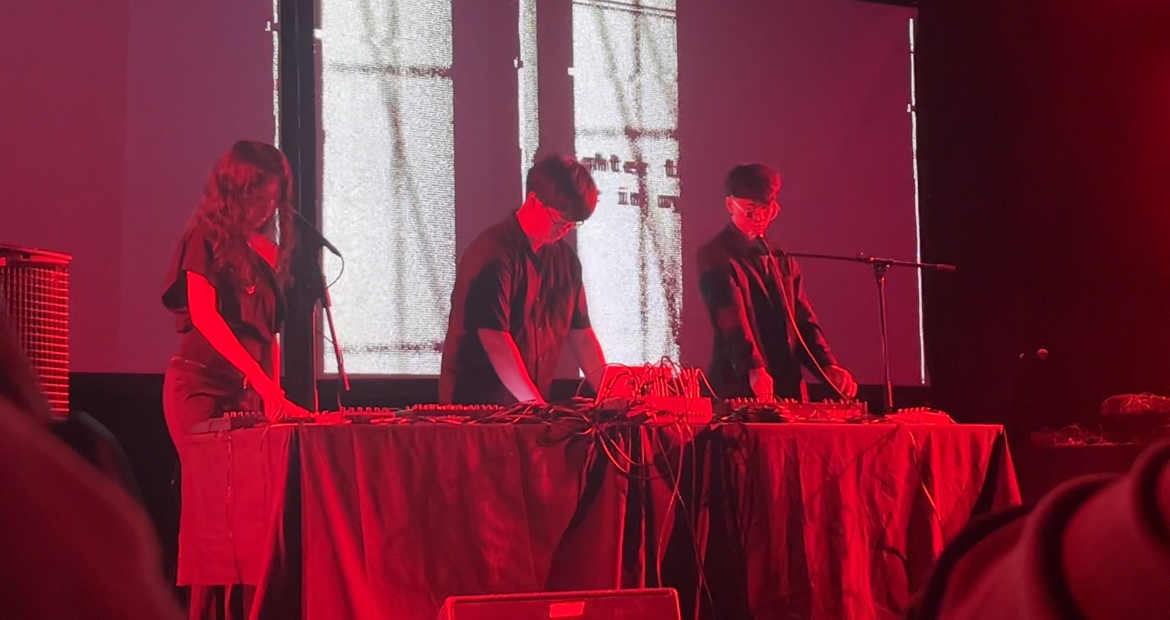
This realization happened at the same time I attended the Chopa Experimental Music Festival. The performance was a stunning display of audio and visual synchronization. However, when I looked into how it was made I saw a barrier of entry so high it might as well be a wall.
This drove a significant pivot in who I am designing for. I had been focusing on "Creative Directors" because I assumed they were the ones stifled by tools. But discussions with my peers helped me realize that Creative Directors often have the resources to hire coders.
The real people locked out are the traditional practitioners. These are people with immense creative vision for their art form but who view the computer as an alien entity.
I also consulted with the SIT team. They suggested exhausting ideas through physical making by using Lego or putty to model interaction. While I appreciate the sentiment of thinking with my hands, I feel the need to move beyond abstract play and into functional prototyping.
I need to build tools that actually work rather than just metaphors for tools. The frustration of the week culminated in a realization: I don't want to just speculate on how visuals could be made. I want to build the bridge that allows a non-coder to make them.