Week 4 started self-directed. Made the full wood version of Prototype 1: One exploring the rigid side of the prototype, another a smoother version, and last imitating the 3d printed version. Wood changes the feel completely compared to 3D printed versions: it has weight, warmth, and a kind of permanence that makes you take the design decisions more seriously. However some parts were a bit rough because of how sharp wood could be so in this case the 3d printed version was still better.
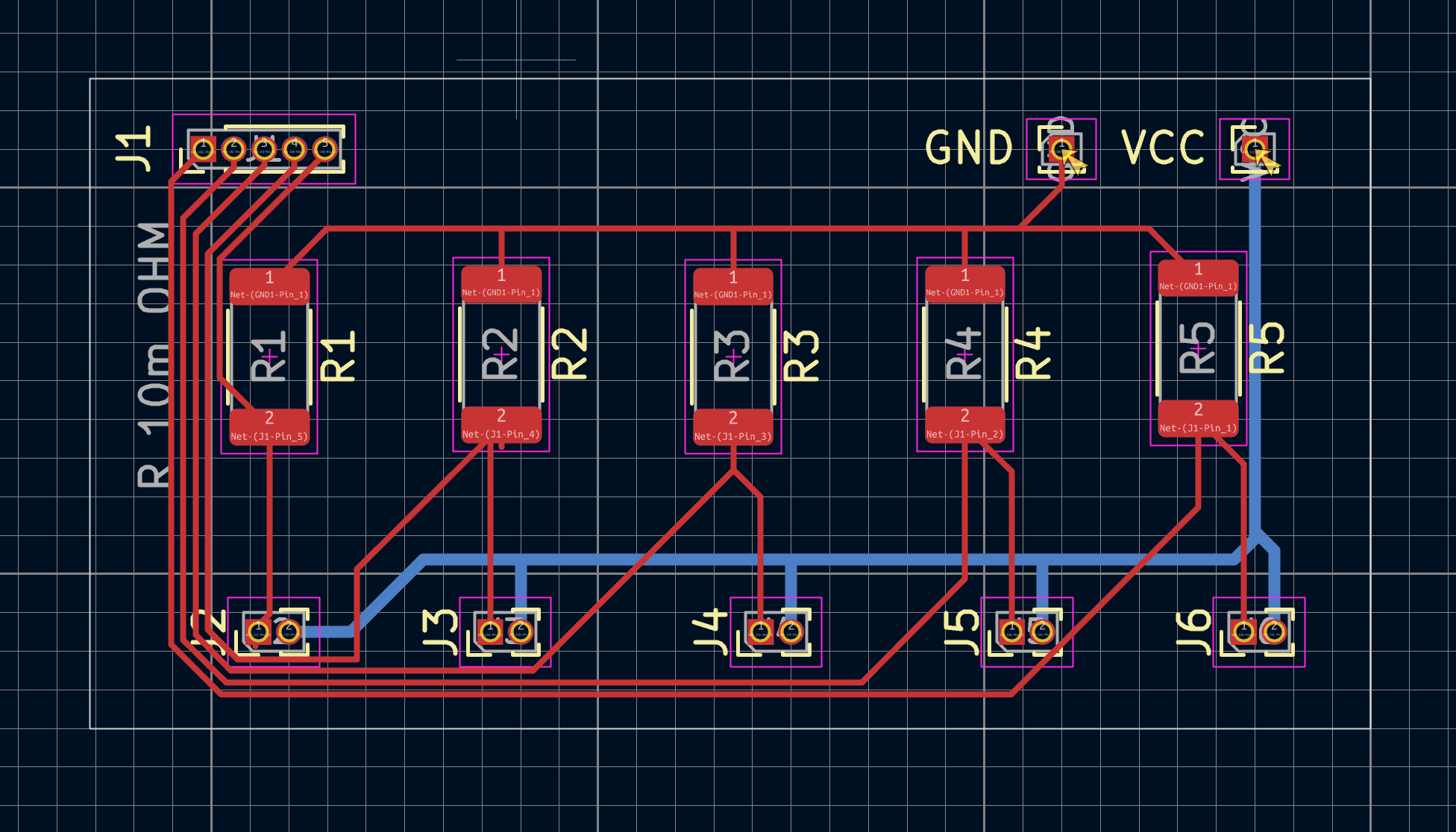
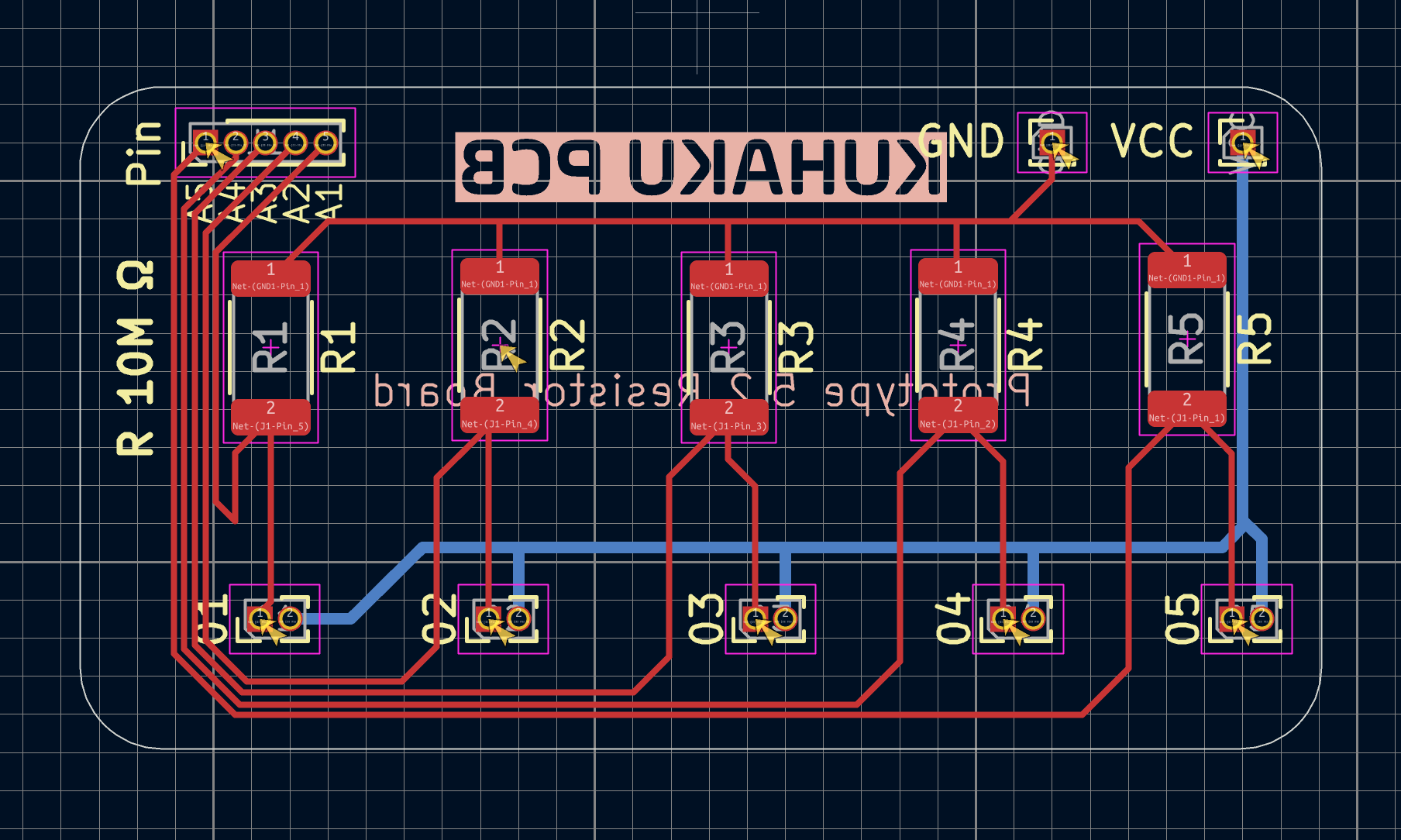
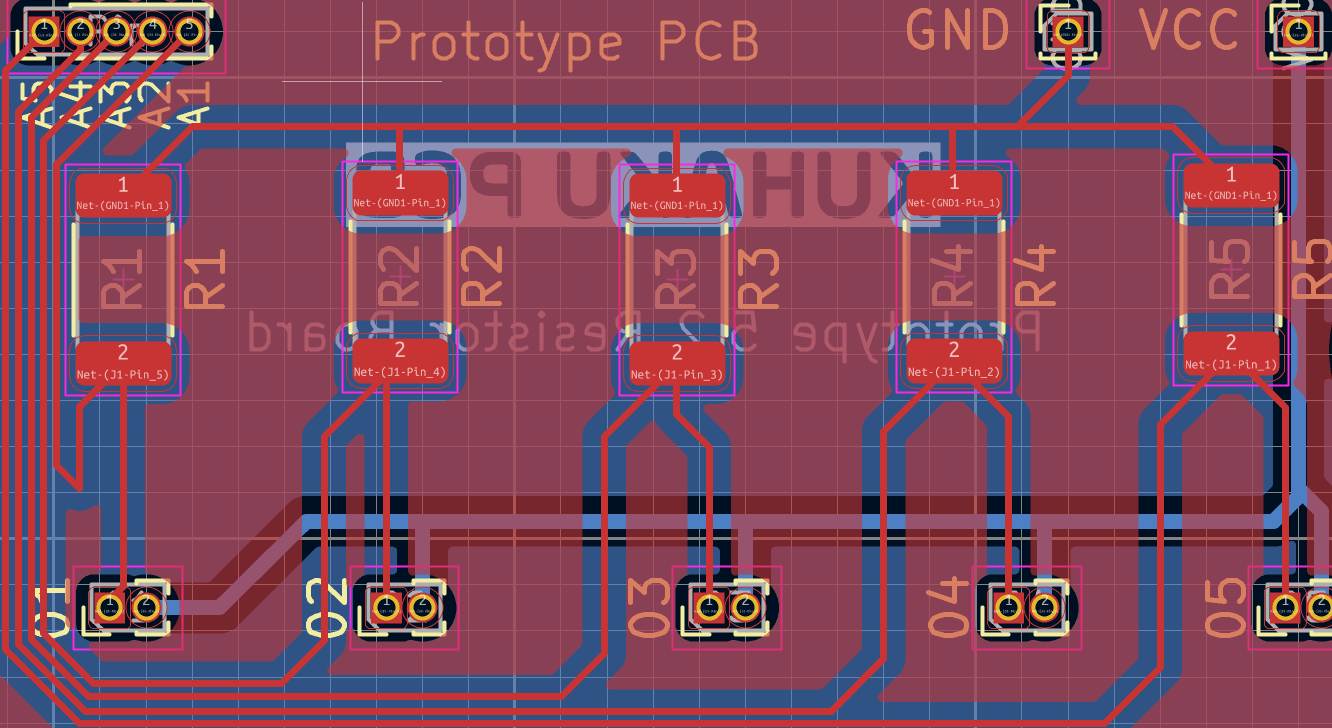
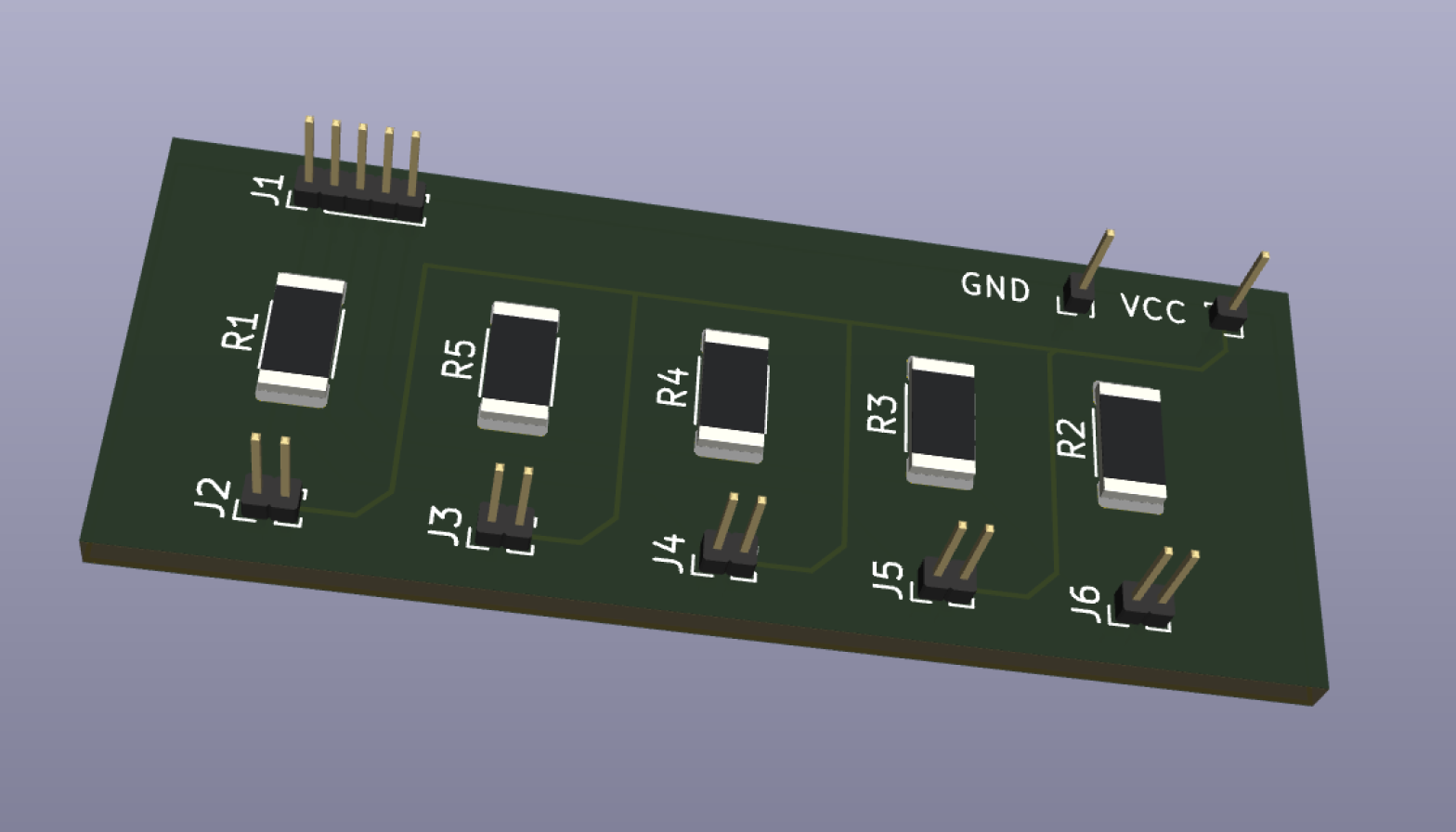
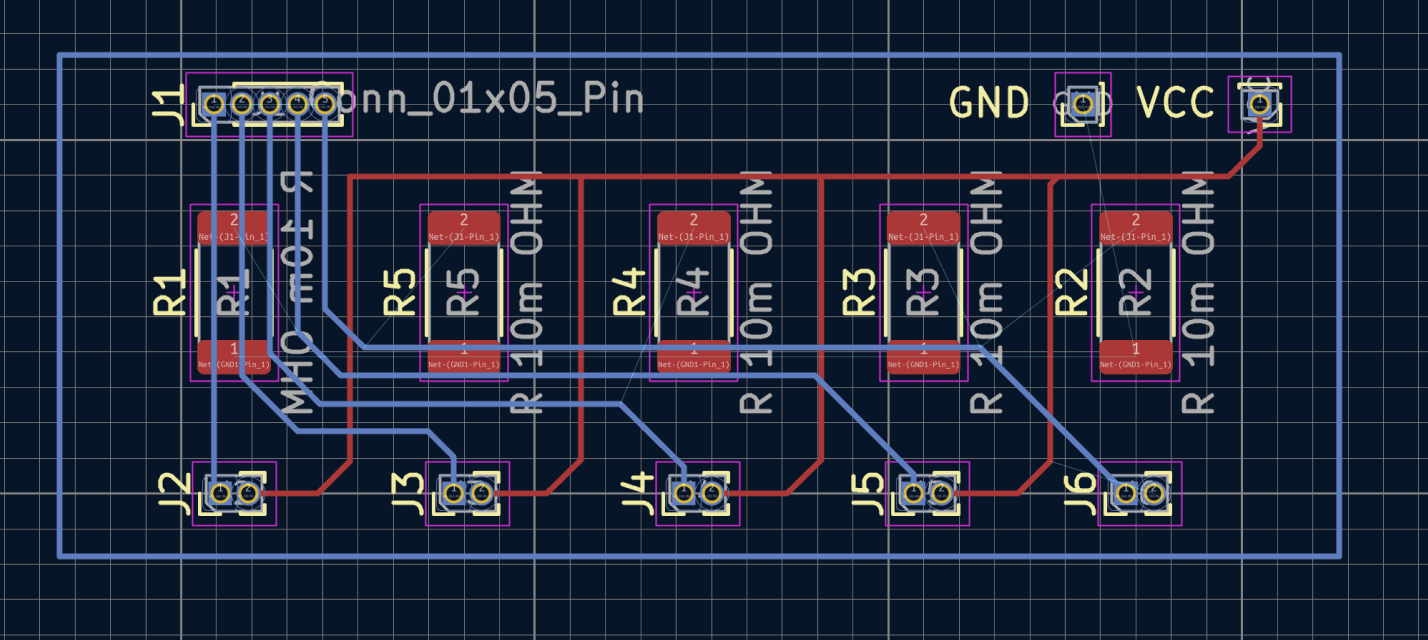
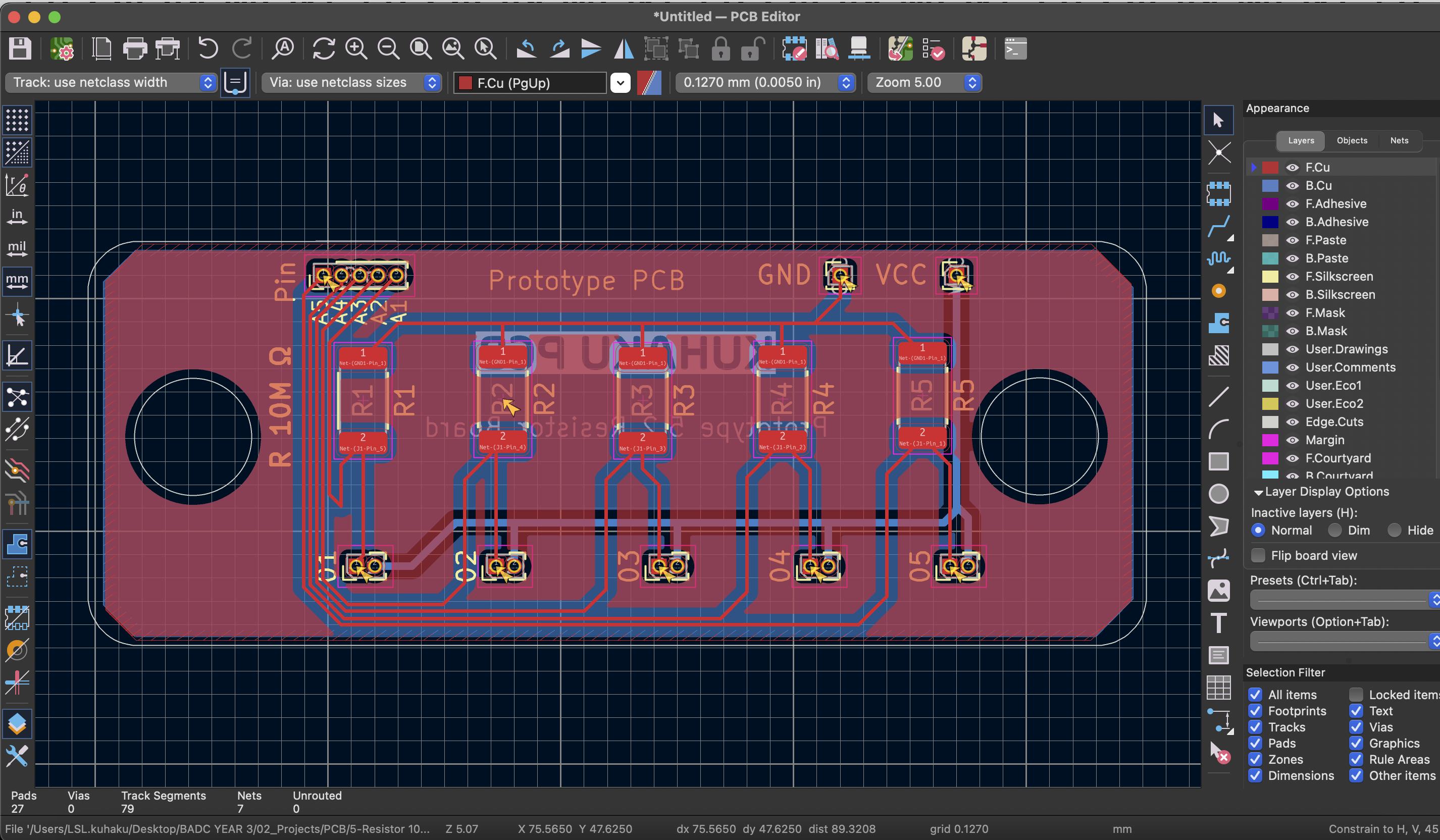
Thursday was a grad project session with Andreas. The circuit schematic in KiCad is done: Arduino UNO connected to five piezo sensors via 10M ohm resistors. From the schematic I moved into the actual PCB layout, the goal being to finally get off the breadboard and consolidate everything into a single board.
WEEK 4
3-6 February 2026
Wood Prototype
Weight, warmth, permanence: things 3D printed mock-ups don't have. You start to actually assess whether the design works.
PCB Layout Design
Header pins connected to 5 piezo sensors via 10M ohm resistors. Horizontal board layout, rounded corners, mounting holes. Moving off the breadboard for real this time.
Practitioner Testing
User testing with Riduan. SUS scale alongside informal session observations. Putting a prototype in front of an actual practitioner at this stage surfaces what you've been too close to see.
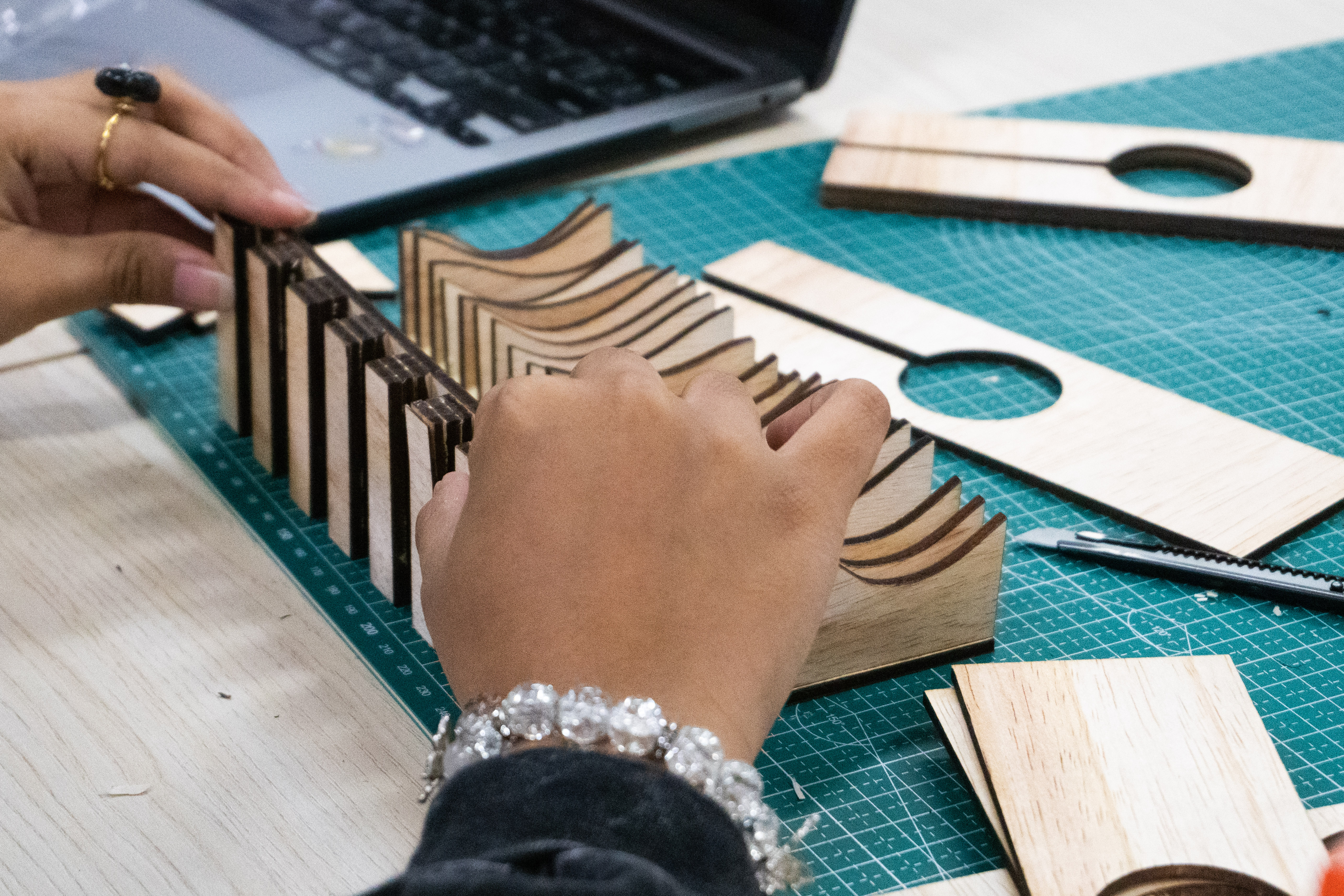
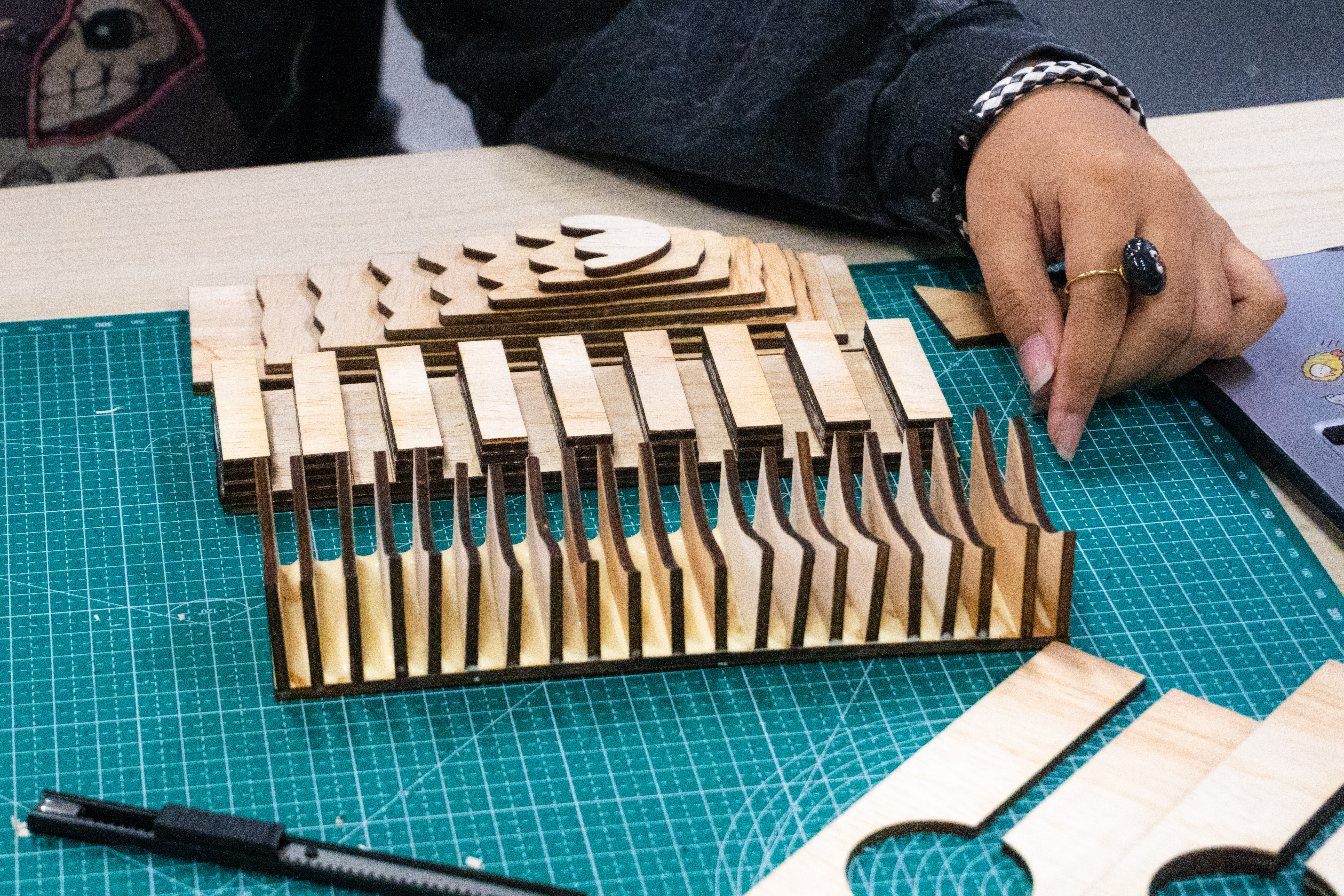
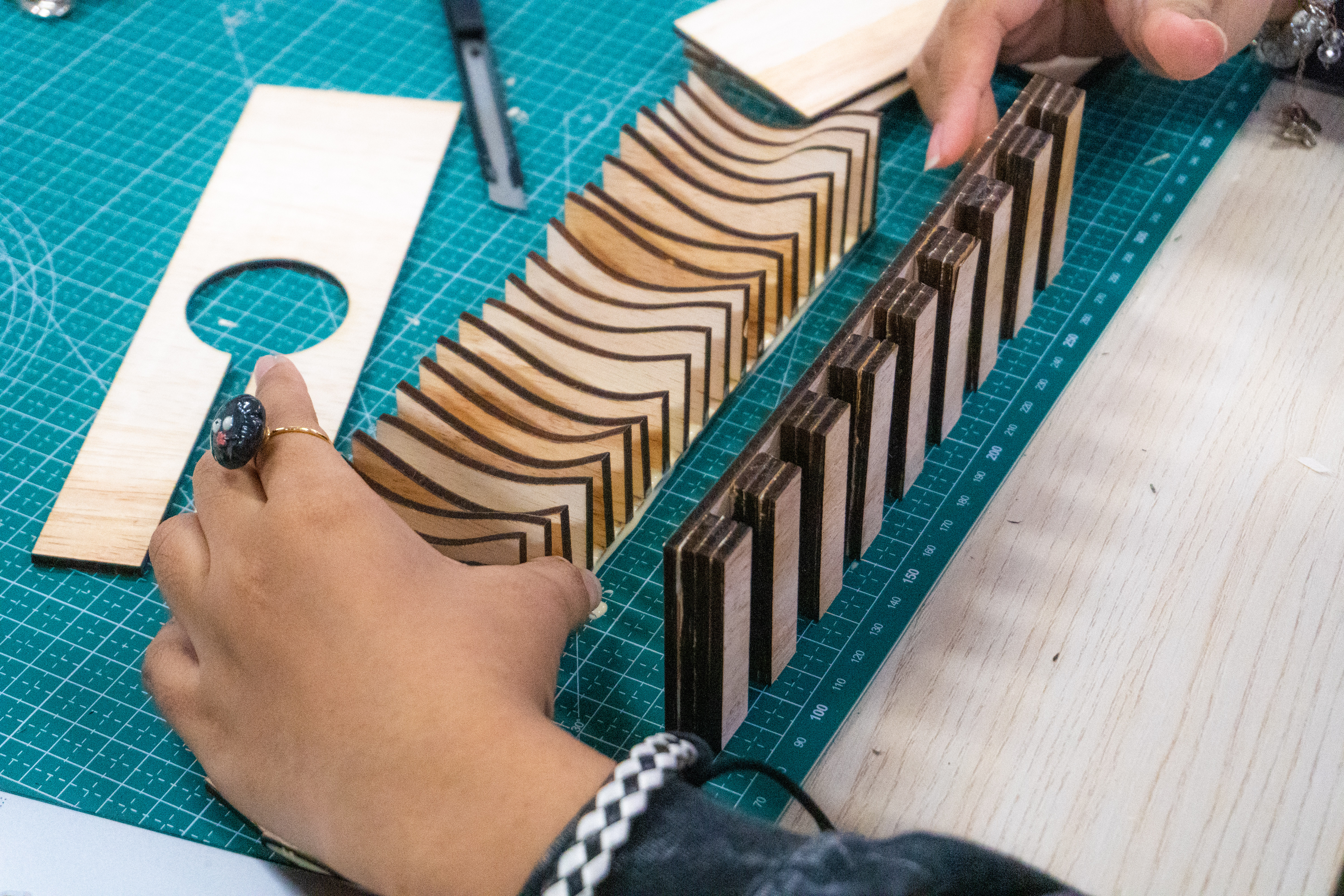
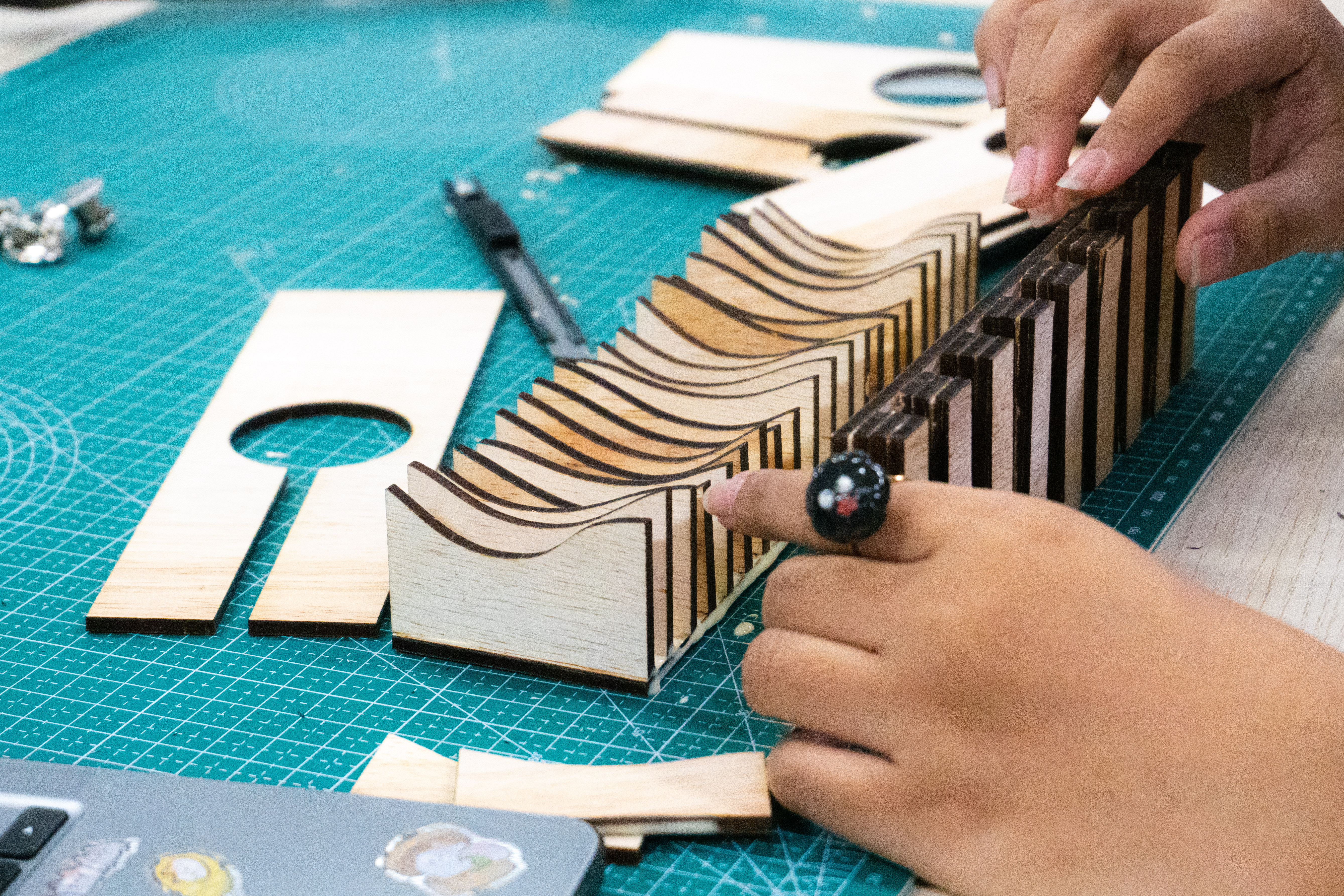
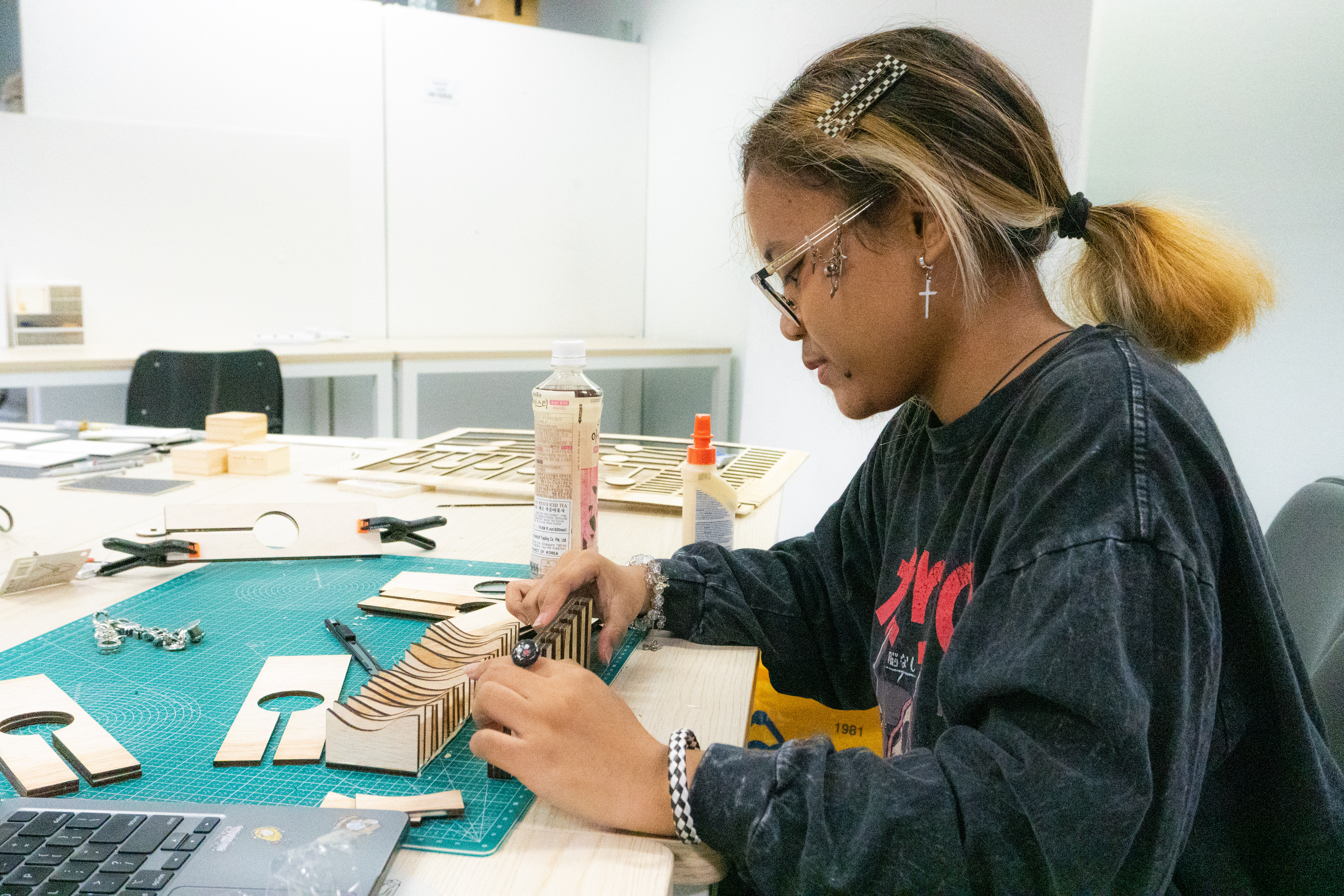
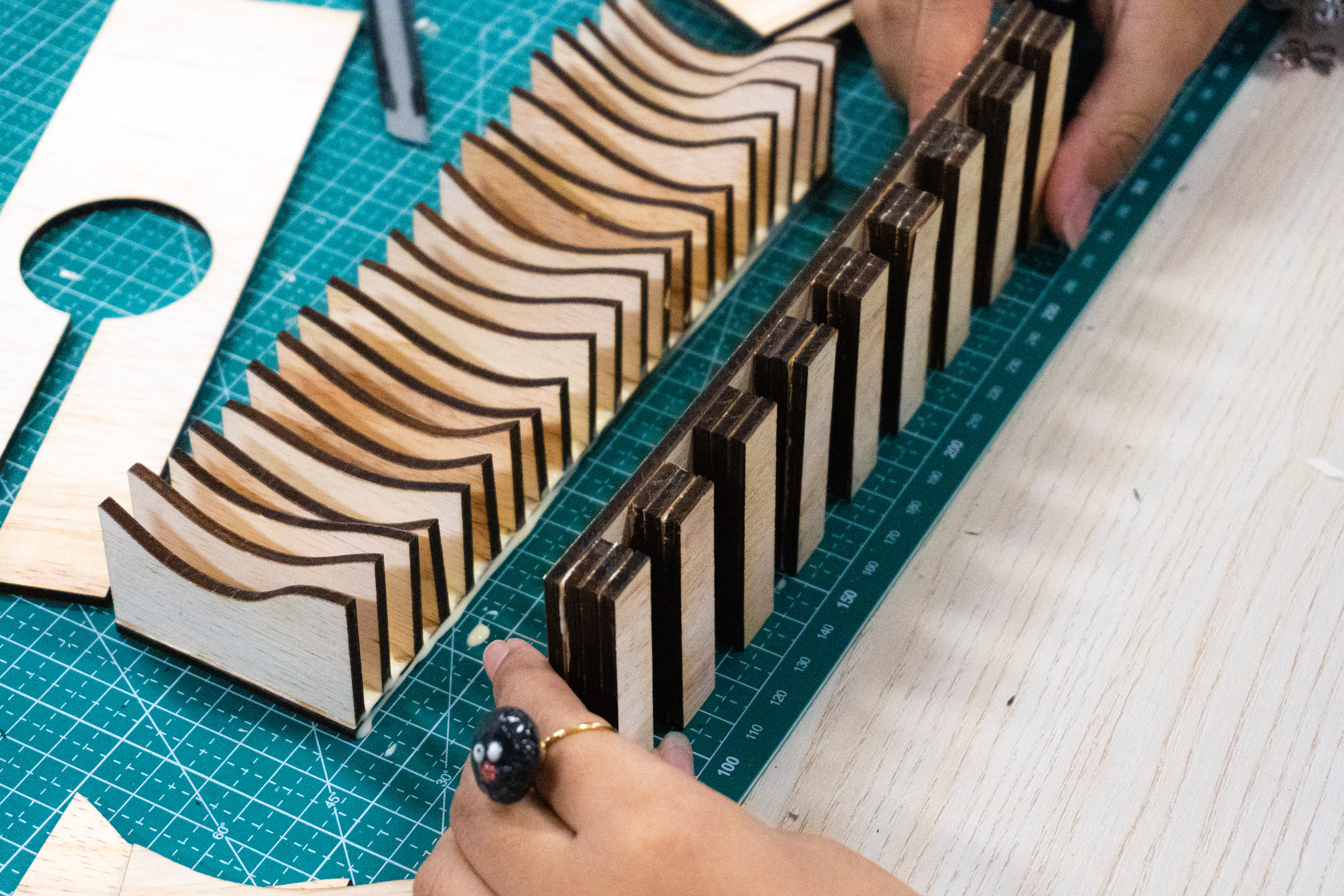
Three iterations of the wood prototype. Each one is adjusting something different. You don't know what's wrong with a form until you've made it and held it for a few minutes. The earlier 3D printed versions were always provisional. The wood one feels like you're actually committing to something.
The PCB tracing went through six layout phases before landing on a horizontal board with rounded corners and mounting holes at each end. Seeing the layout come together in KiCad after weeks of breadboard work is satisfying. It starts to look like an actual product rather than a test rig.
The gap between how much I'm making and how much I'm writing about it is real this semester. The making is going, sometimes well, sometimes with cable management problems, but documenting while in the middle of it is hard. I'll understand something through the process of building it and then not write it down because I'm already onto the next thing.
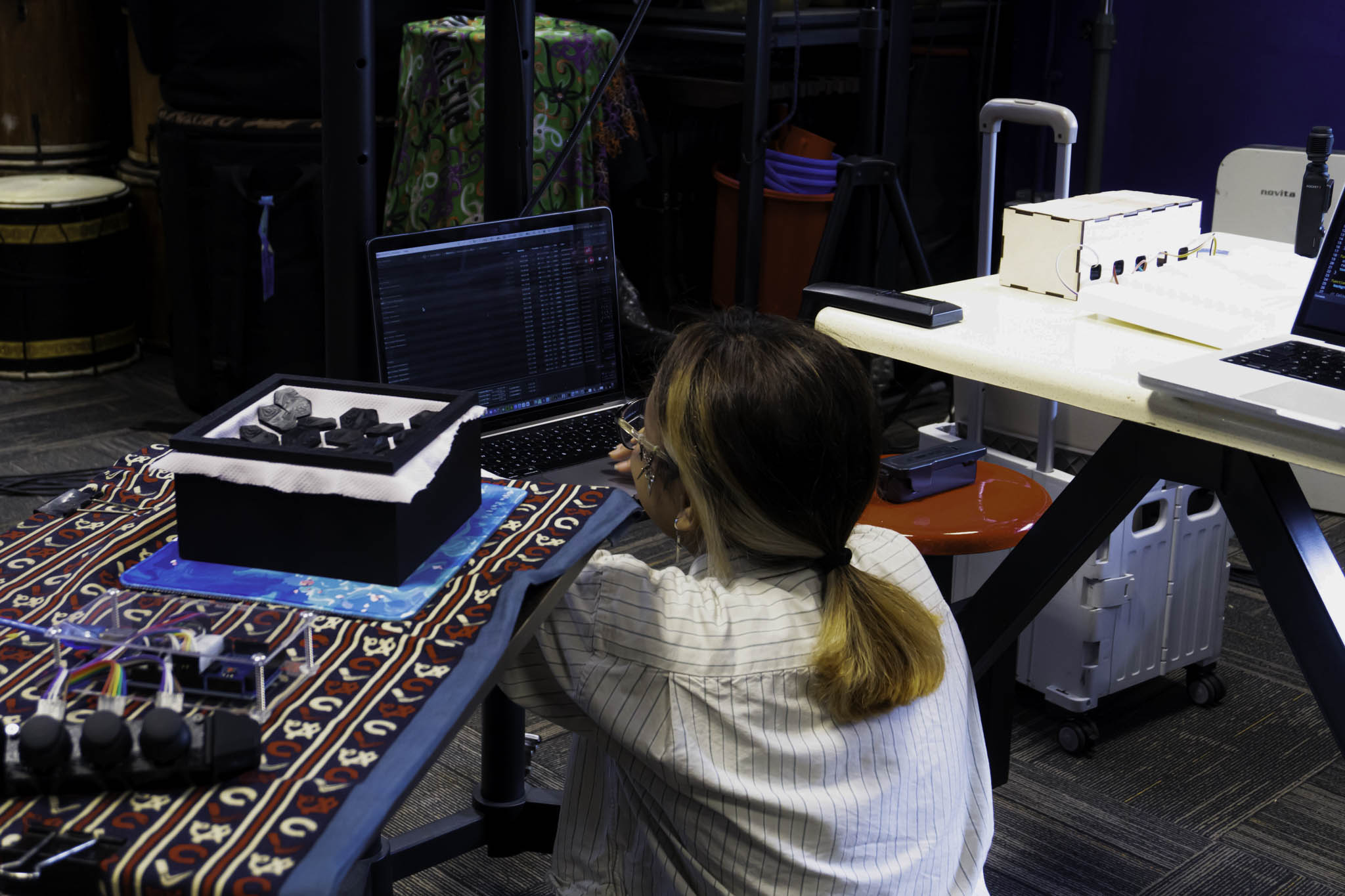
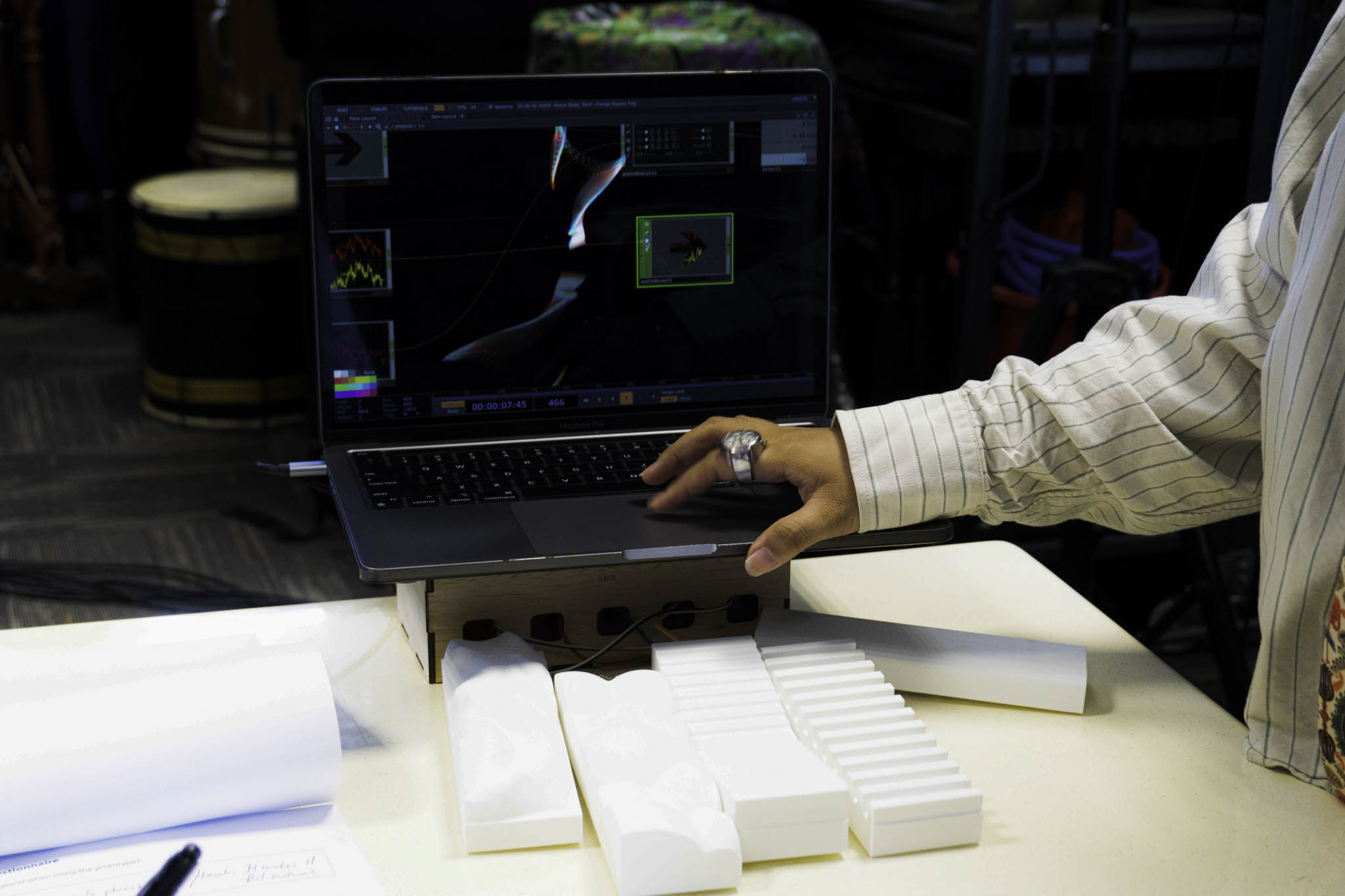
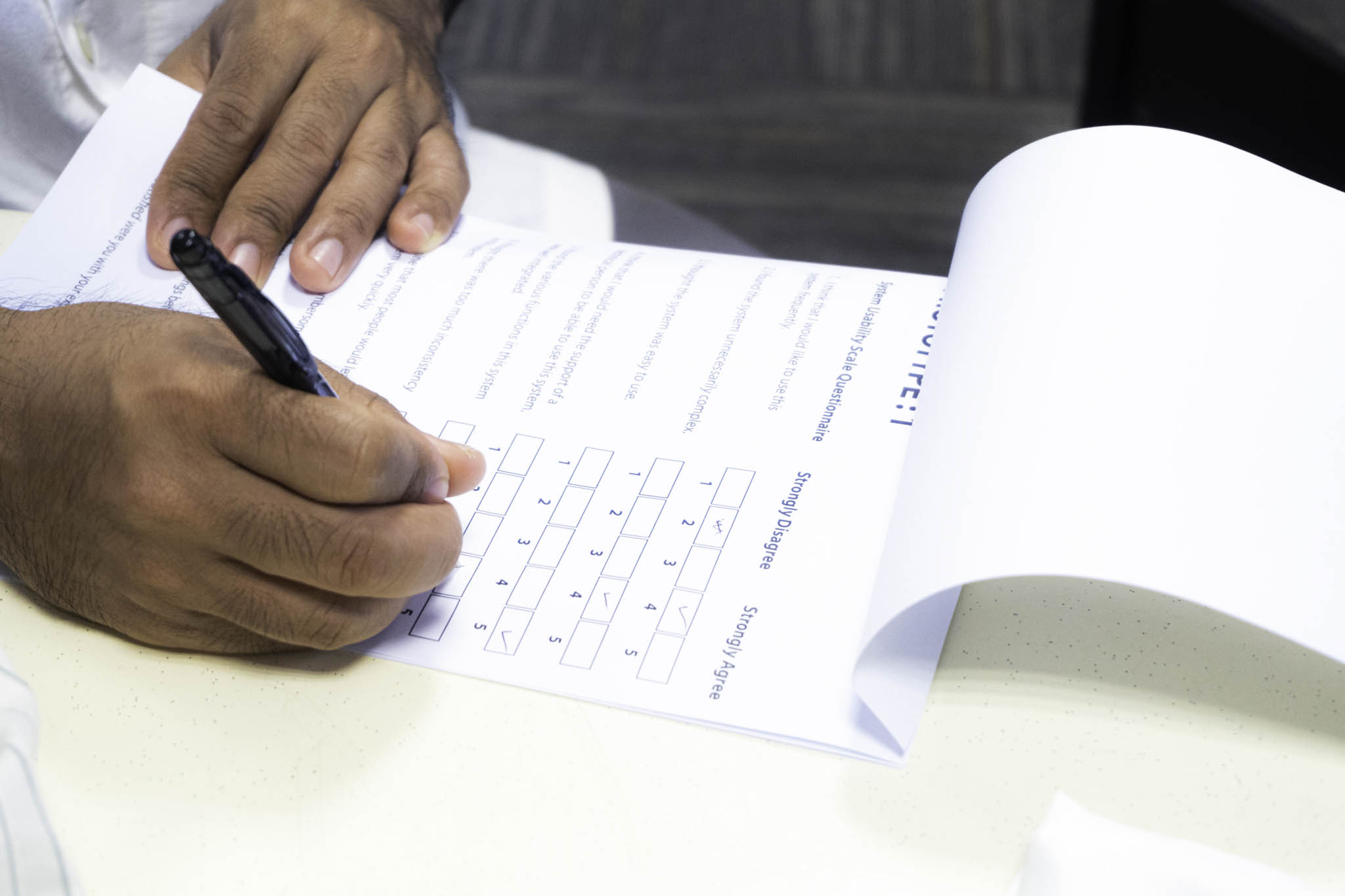
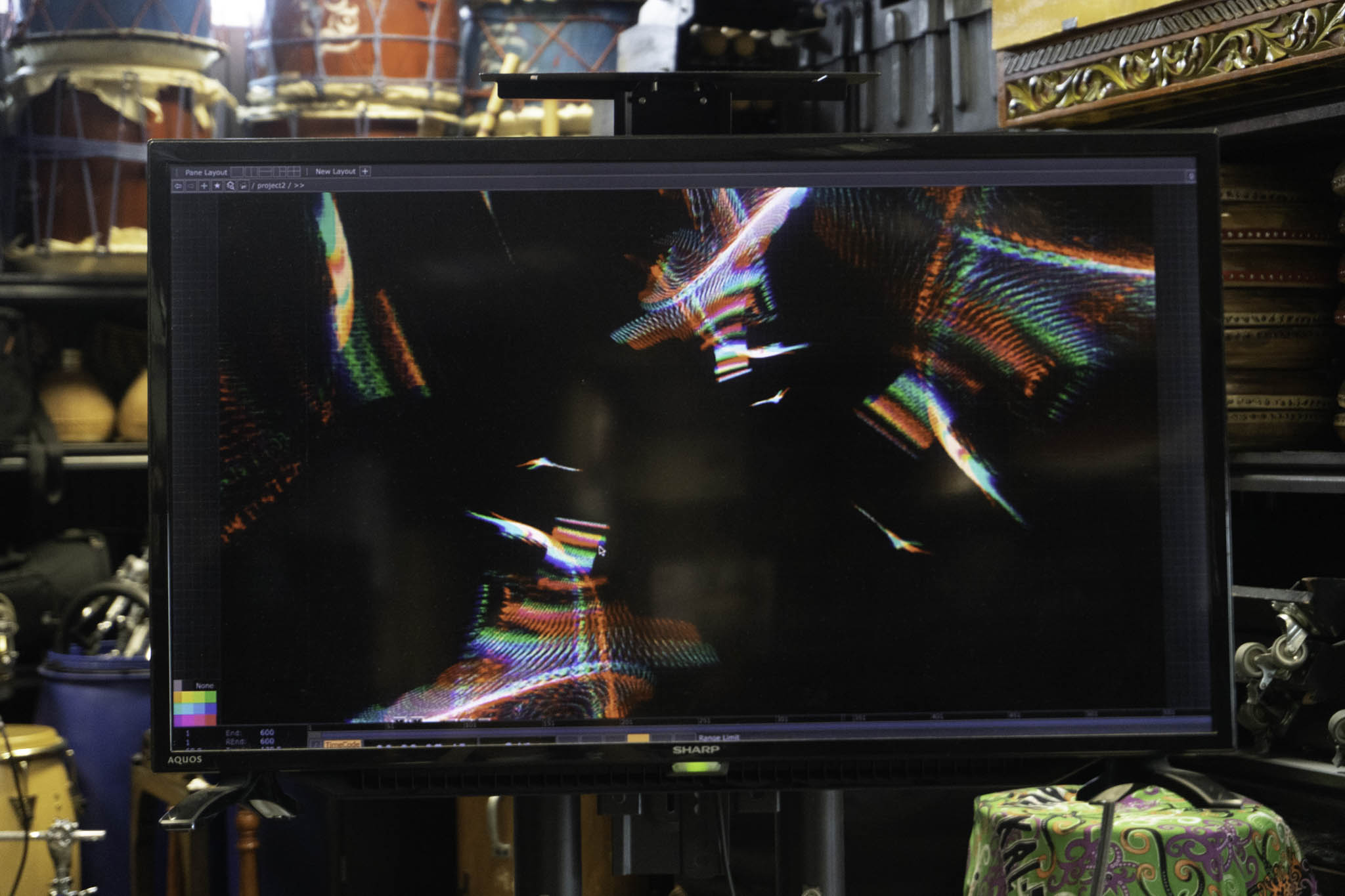
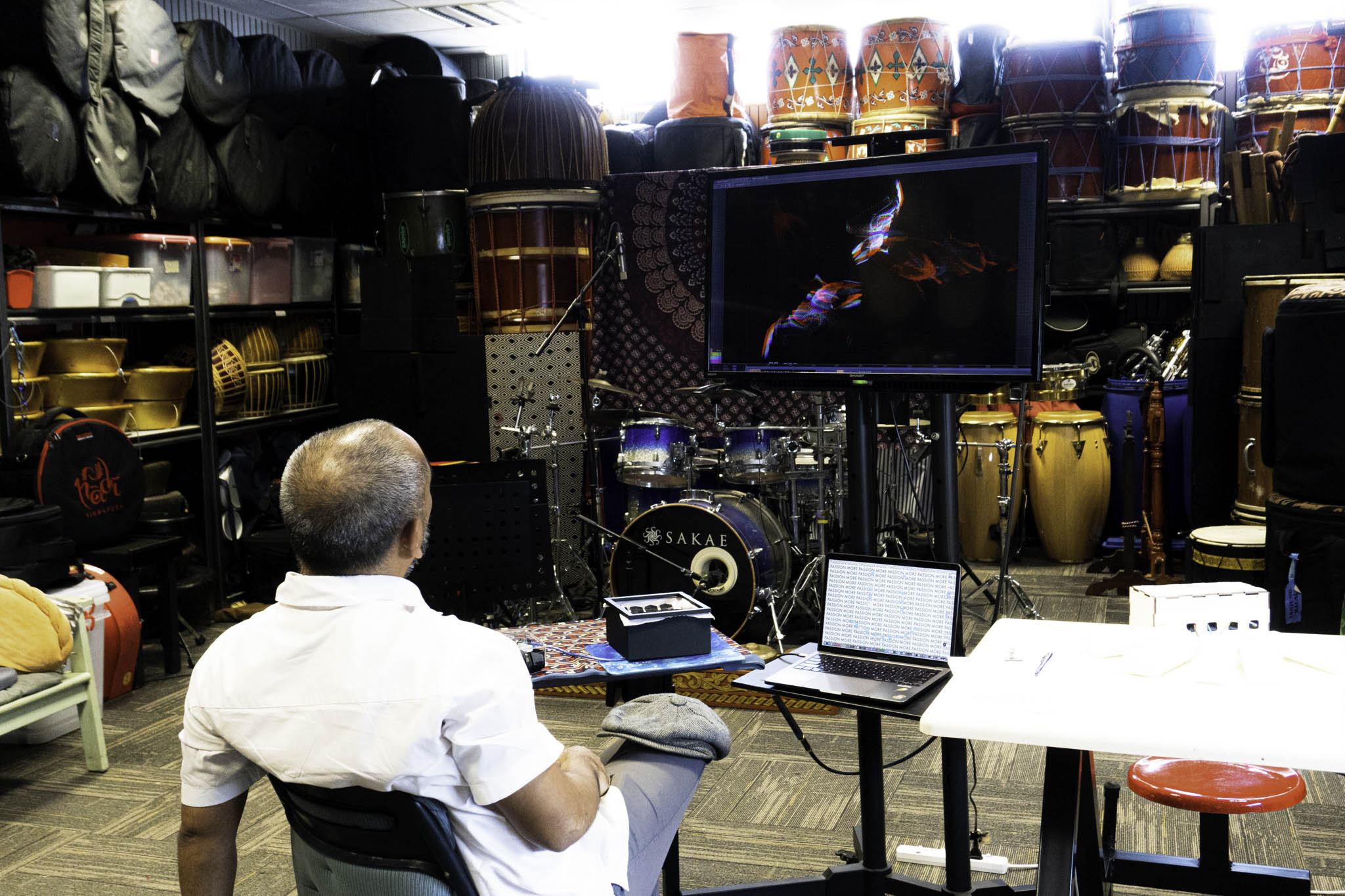
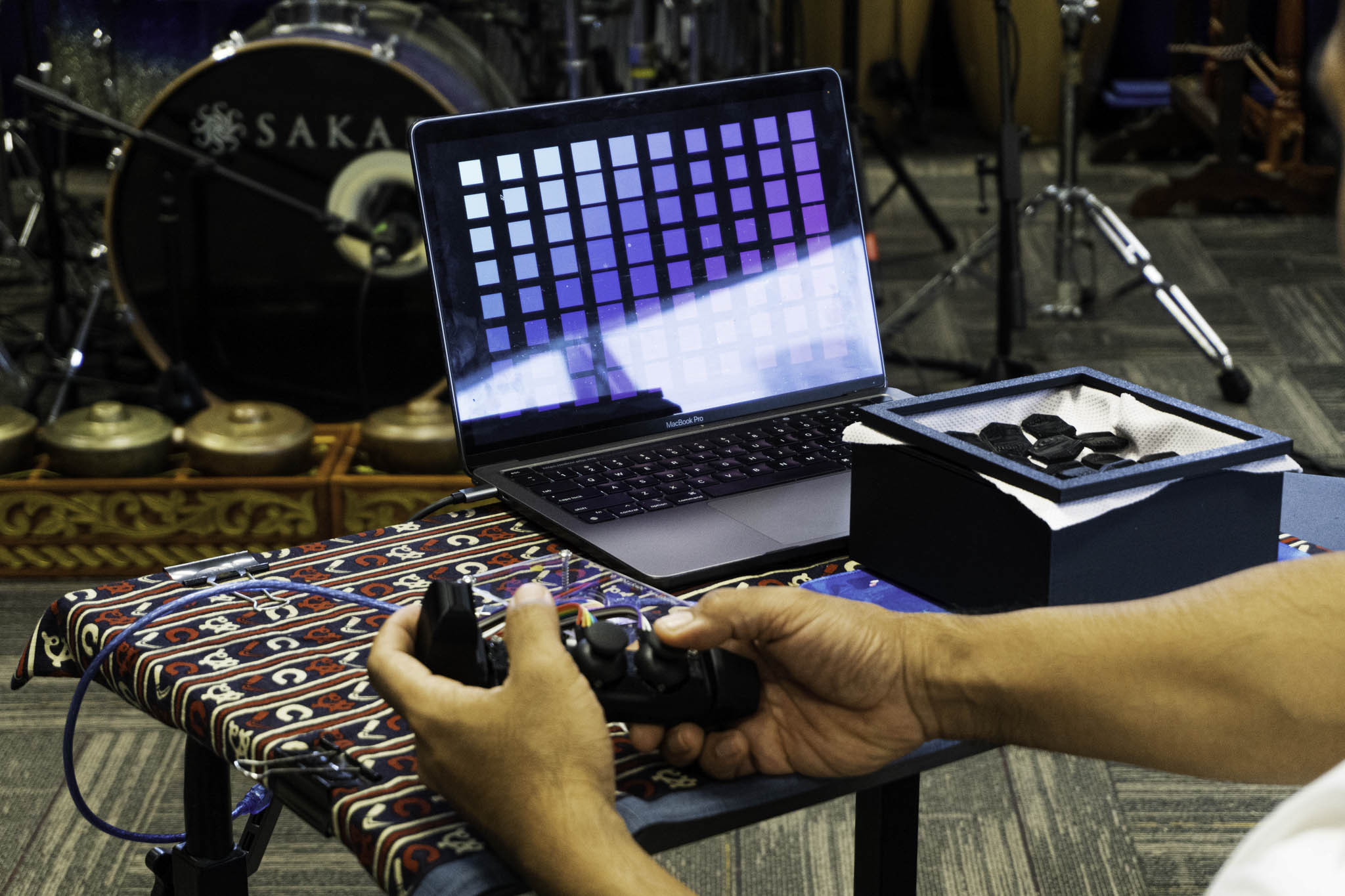
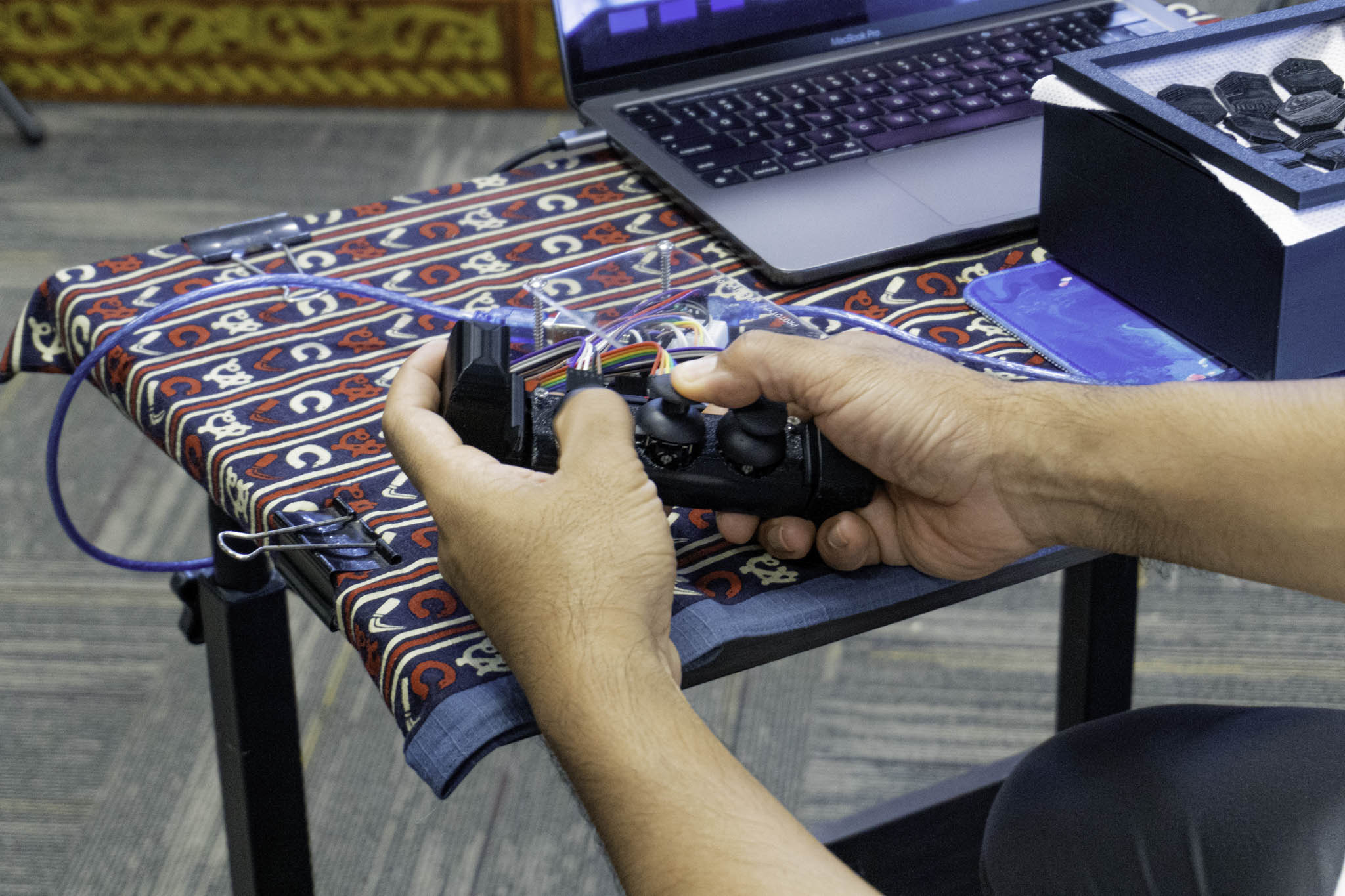
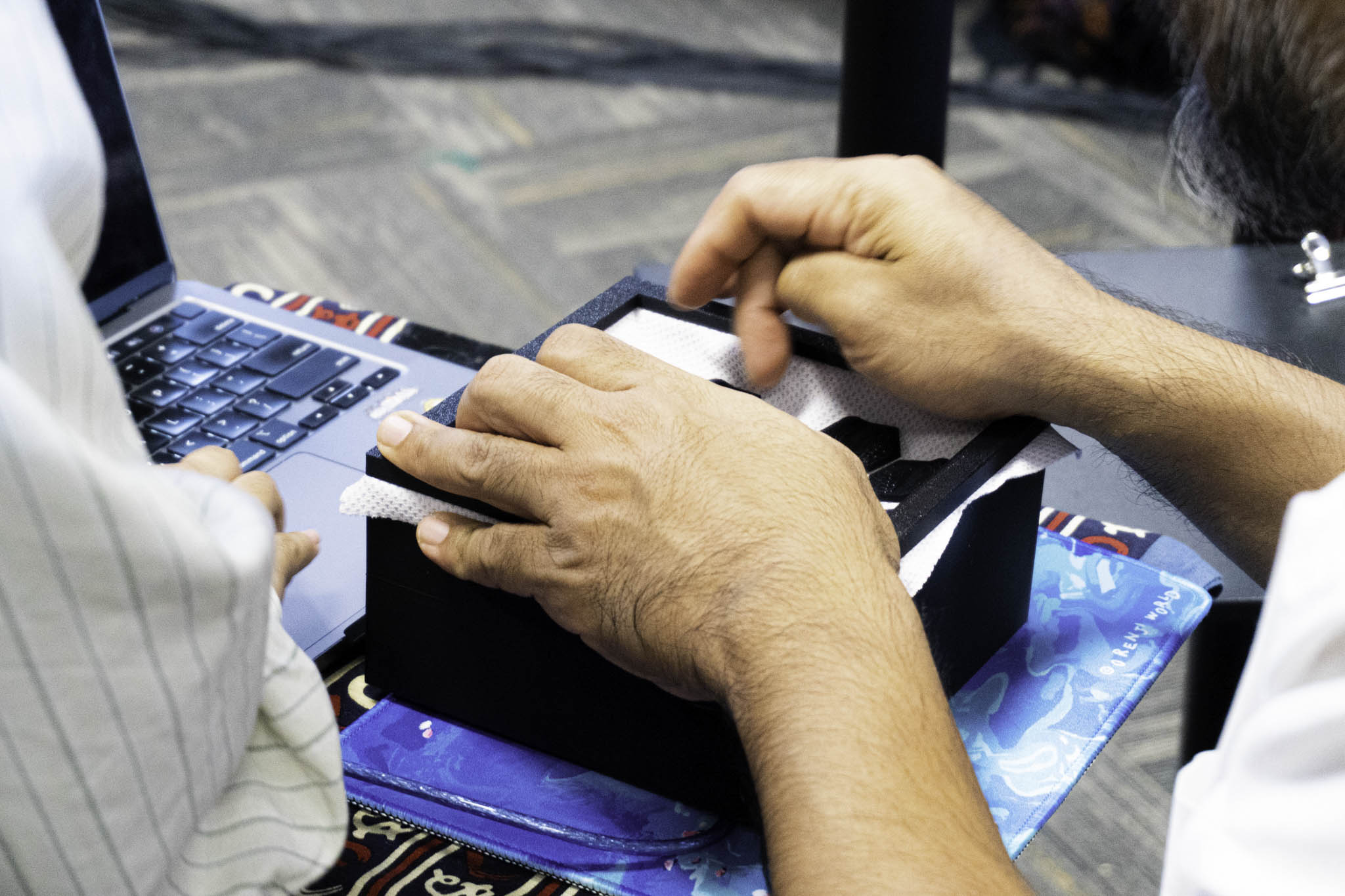
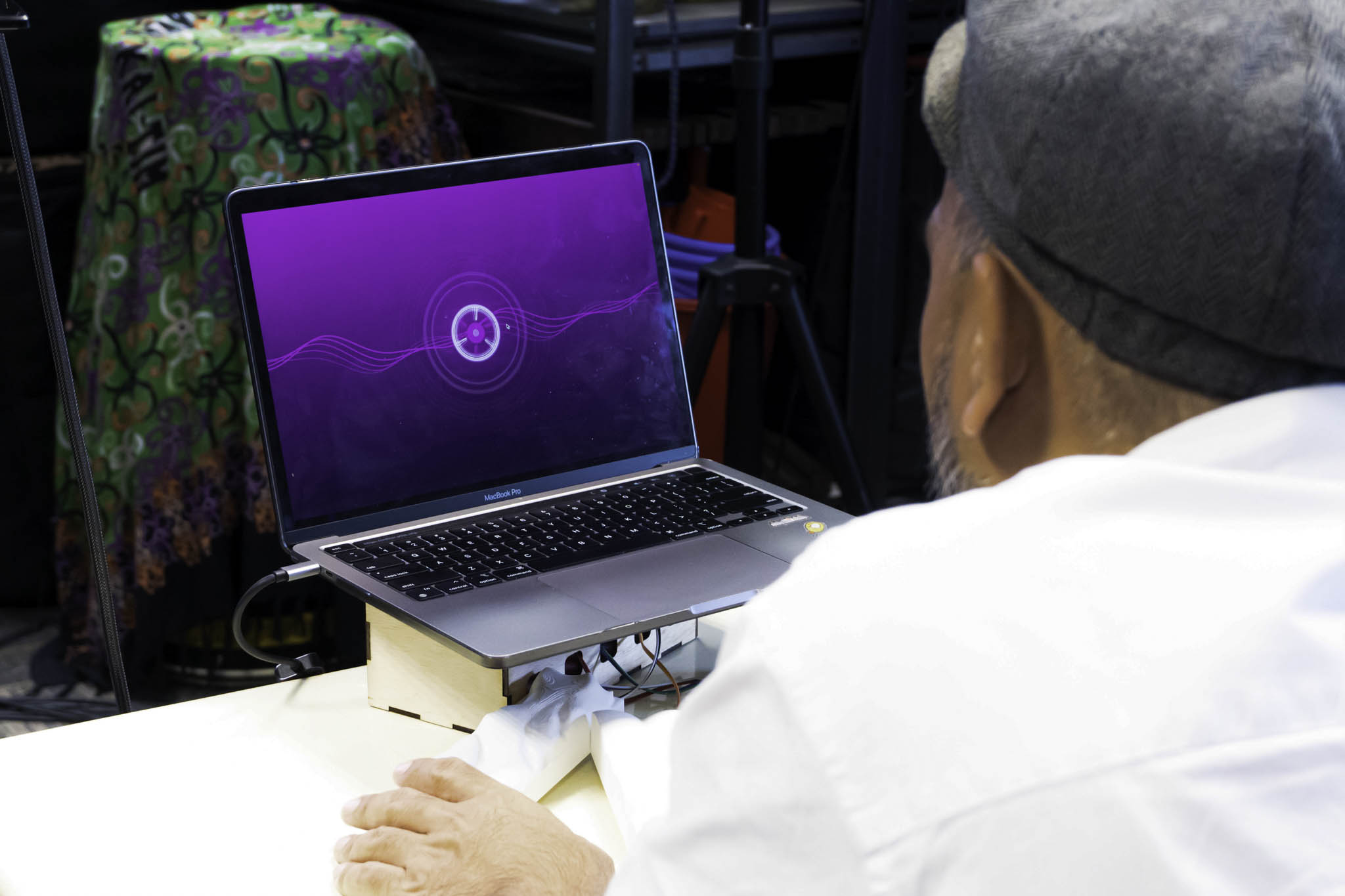
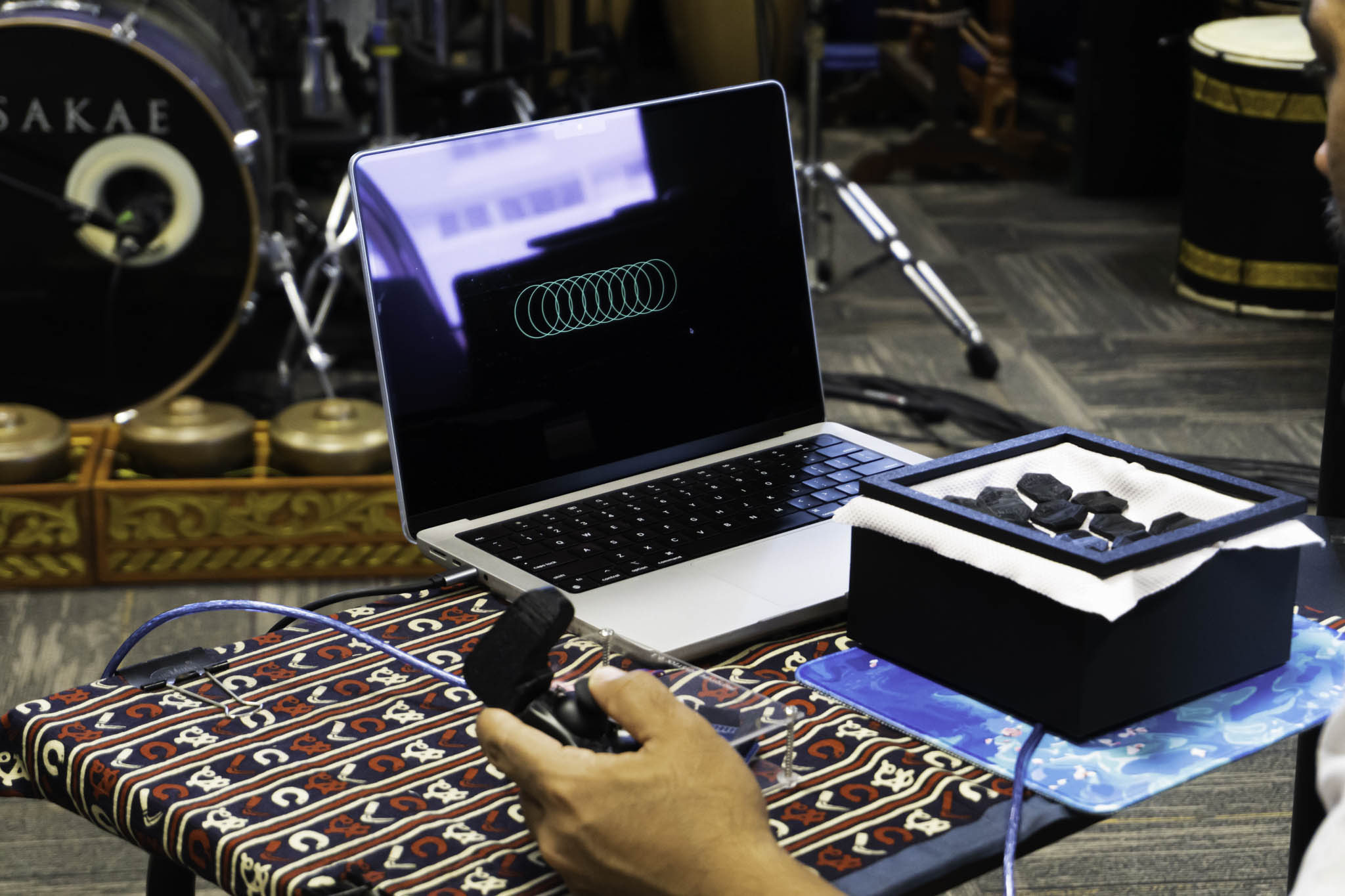
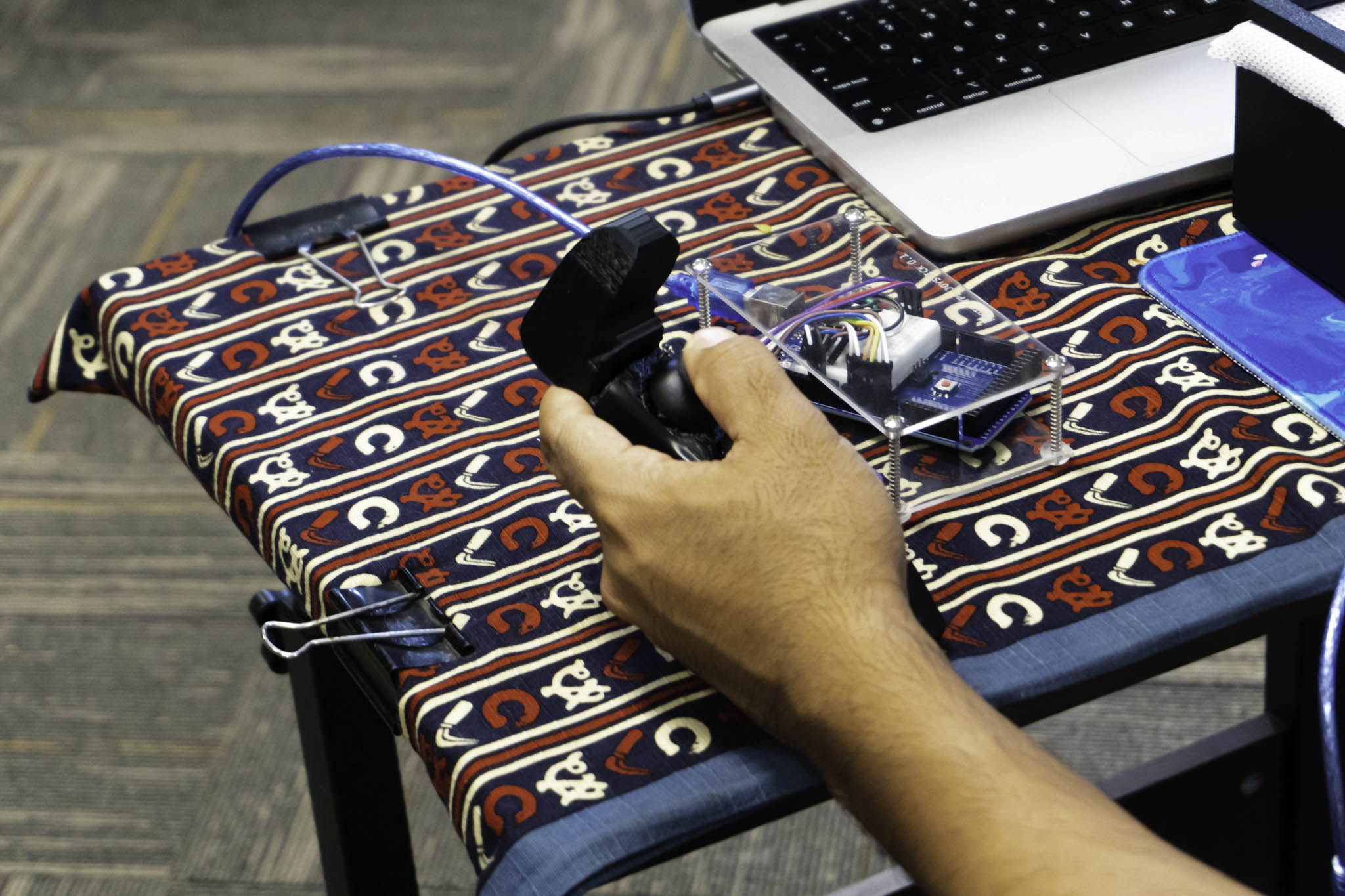
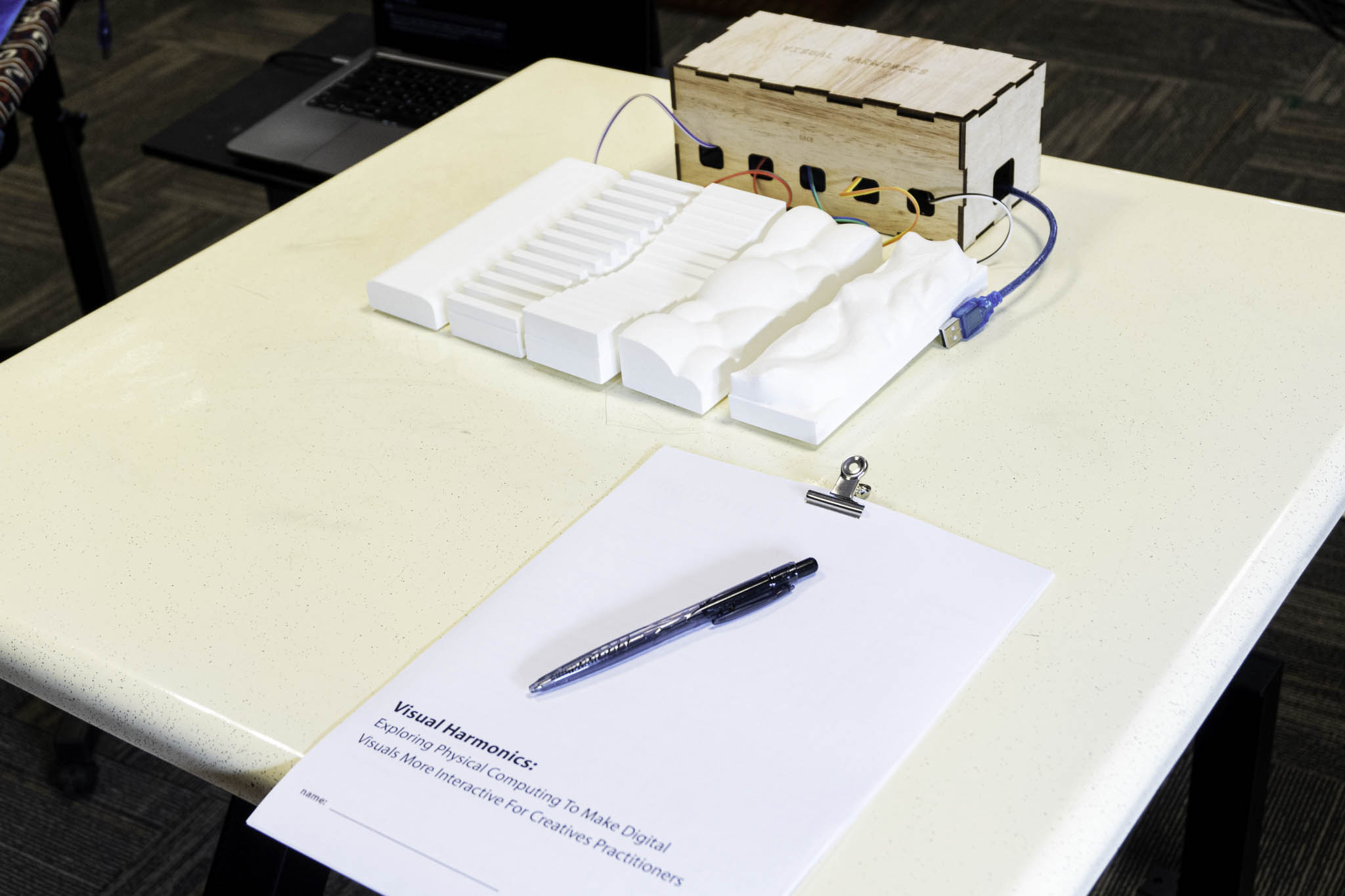
Friday was user testing with Riduan. Putting a prototype in front of an actual practitioner at this stage, even when it's not finished, is where you find out what you've been too close to see. We ran through the SUS (System Usability Scale) for a structured usability read alongside more informal session observations.
The things that work are always slightly different from what you expected, and so are the things that don't. What came out was useful data for the next iteration: what felt natural, what created hesitation, what the prototype communicates that you didn't intend it to.