Dissertation consultation on Tuesday: the making and the writing are running on two parallel tracks and I have to keep forcing them into conversation with each other. The practical work needs to be legible as research in the writing, not just documented making. The literature has to connect back to actual decisions I made in the studio, not just float as theory.
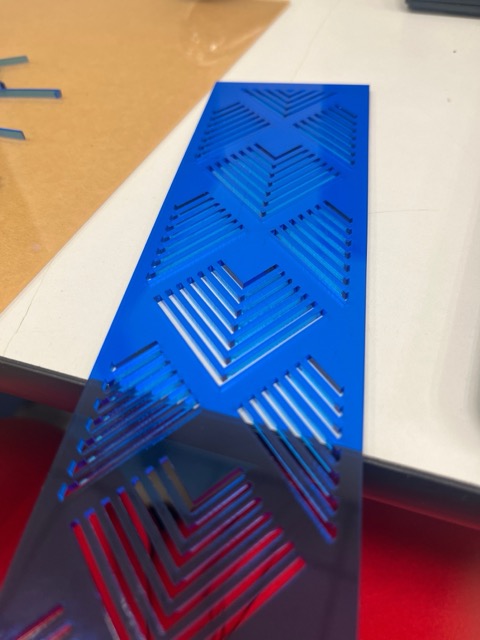
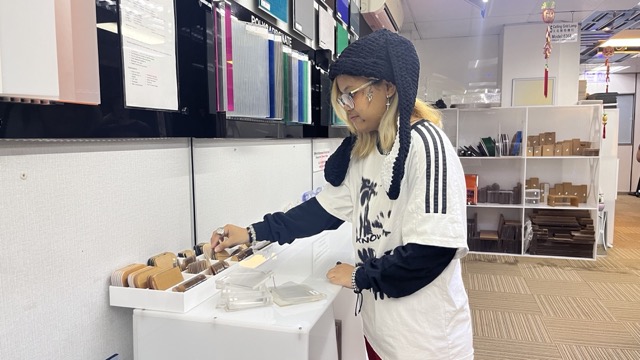
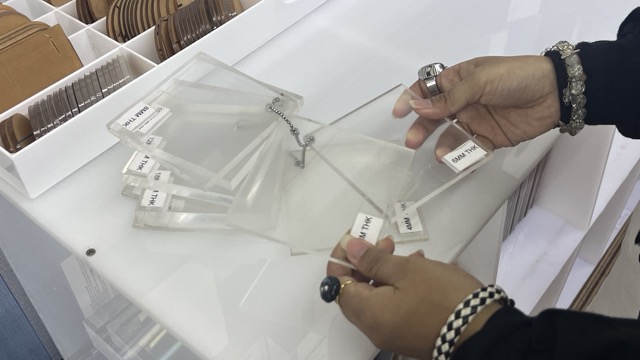
This week I also tried acrylic as a material. After wood, acrylic was another iteration of the Prototype 1 form in a completely different material register. Acrylic is lighter, more clinical, and reads very differently in the hand. It's not warm in the way wood is, but it has a precision to it that suits the physical computing context. Buying the sheet and cutting it was part of the process of figuring out what the material actually does.
WEEK 5
10-12 February 2026
MA Research Presentations
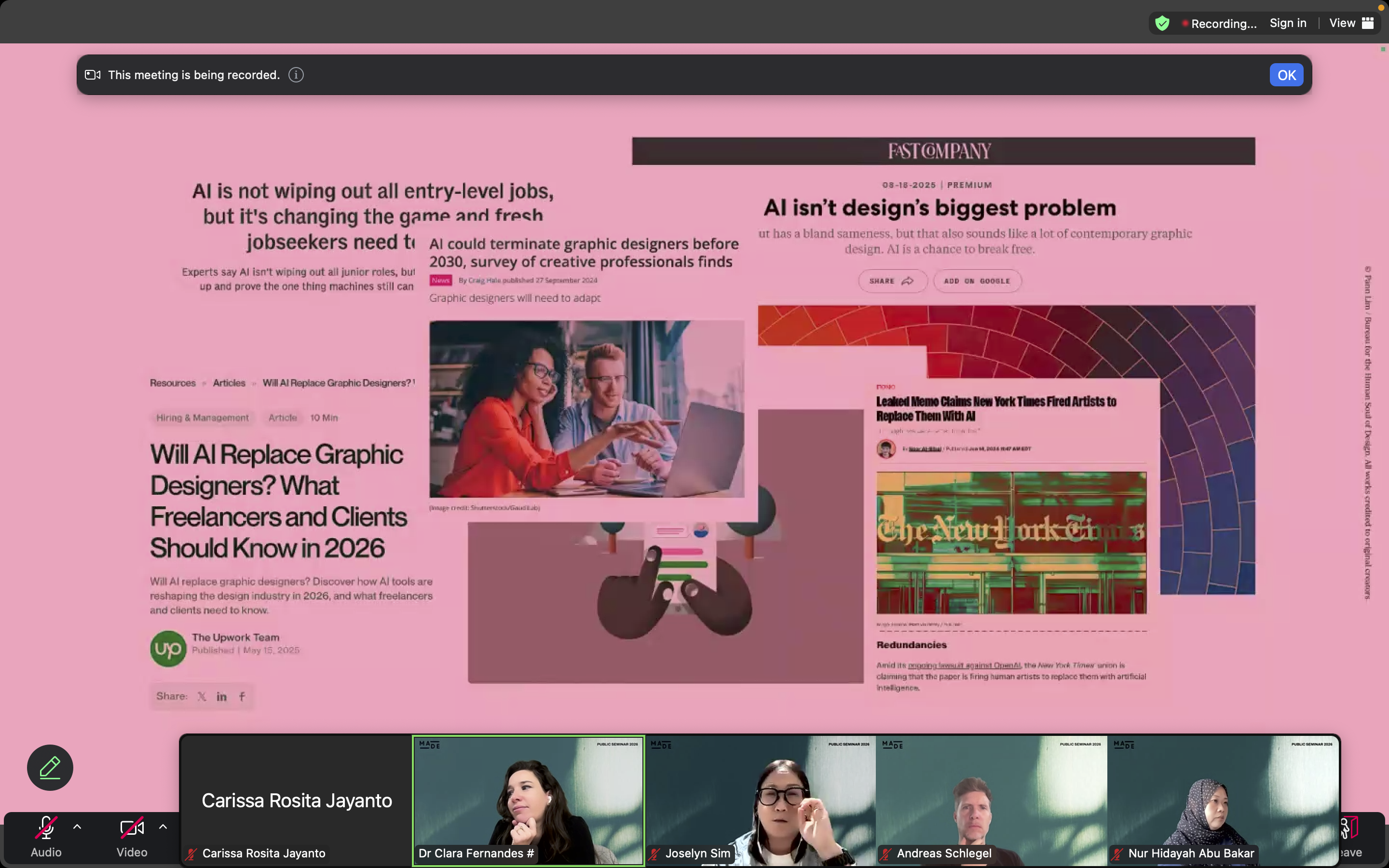
Attended the MA Talk on 4 February. Useful for seeing how other researchers frame and present practice-based work, and thinking through how to communicate my own research decisions.
Acrylic Prototype 1
Material iteration of Prototype 1 in acrylic. Lighter and more precise than wood, with a completely different feel in the hand. Testing whether the material changes how performers relate to the object.
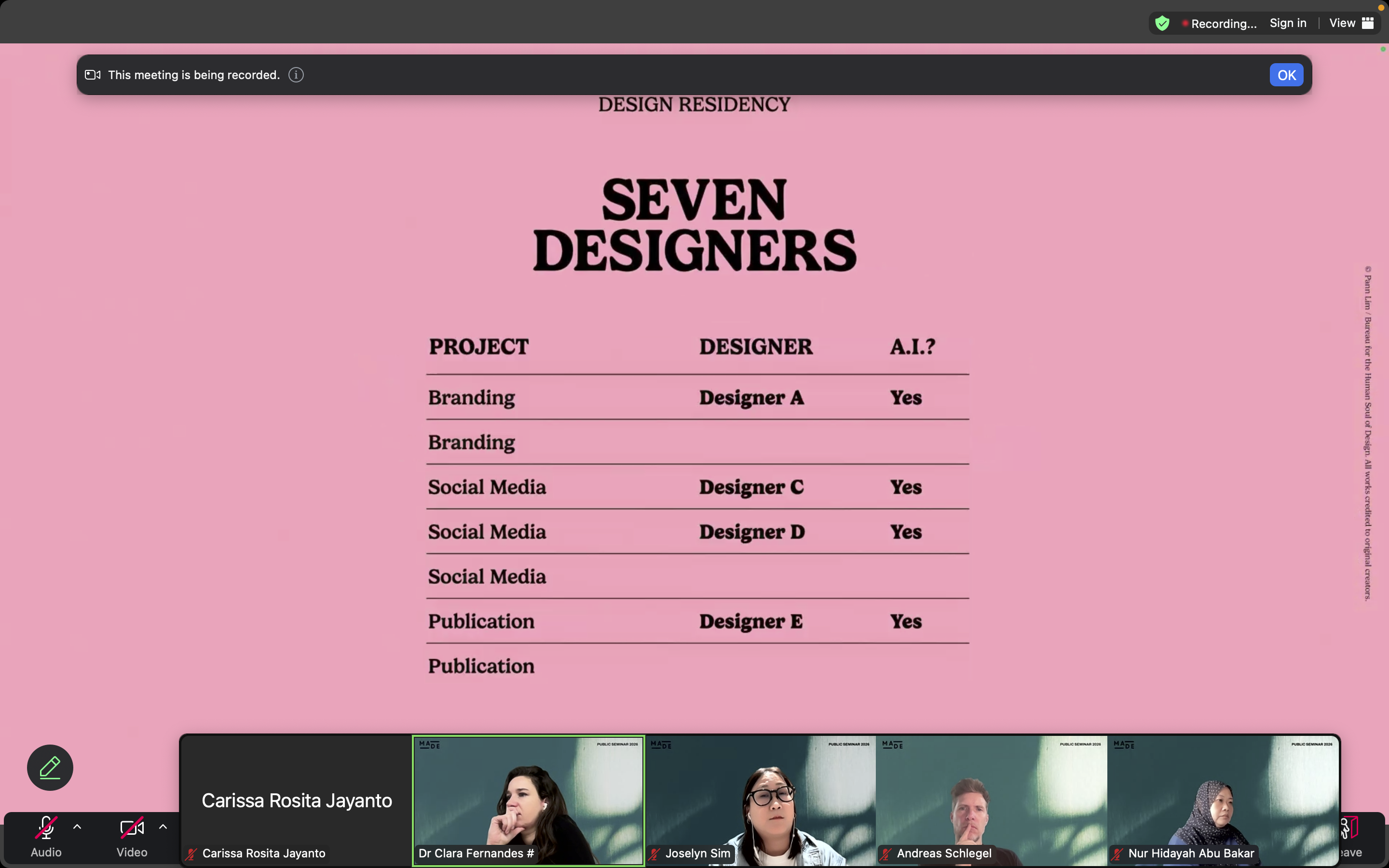
The MA Talk was a useful reference point. Seeing how other researchers frame and present practice-based work, how they situate making within a research argument, is useful context for thinking about how to do the same in a dissertation. The talks also surfaced how different approaches to documentation and articulation can be, which is relevant given that the gap between making and writing is something I'm actively managing.
The acrylic prototype was a material experiment more than a new form. The Prototype 1 shape but in acrylic: a different weight, a different surface, a different way of reading the object. Wood reads as handmade and warm. Acrylic reads as intentional and precise. Both of these are valid for different reasons, and testing both means I have actual comparison data rather than assumptions about which material is right.
Buying the acrylic sheet was part of the process: sourcing material, assessing thickness and surface quality, then cutting it. The material iteration process is slower than it looks from the outside, partly because each choice compounds on the previous ones.