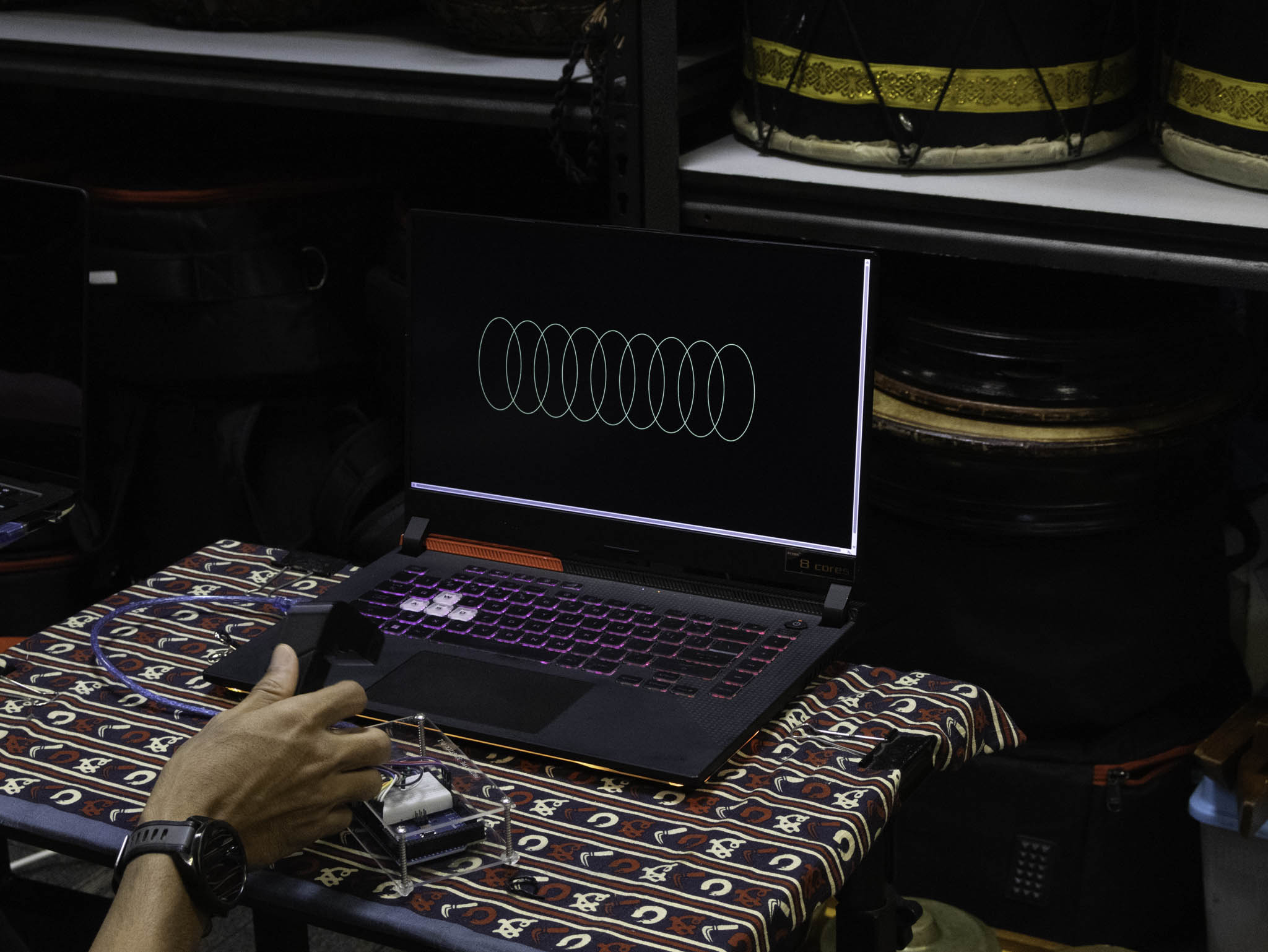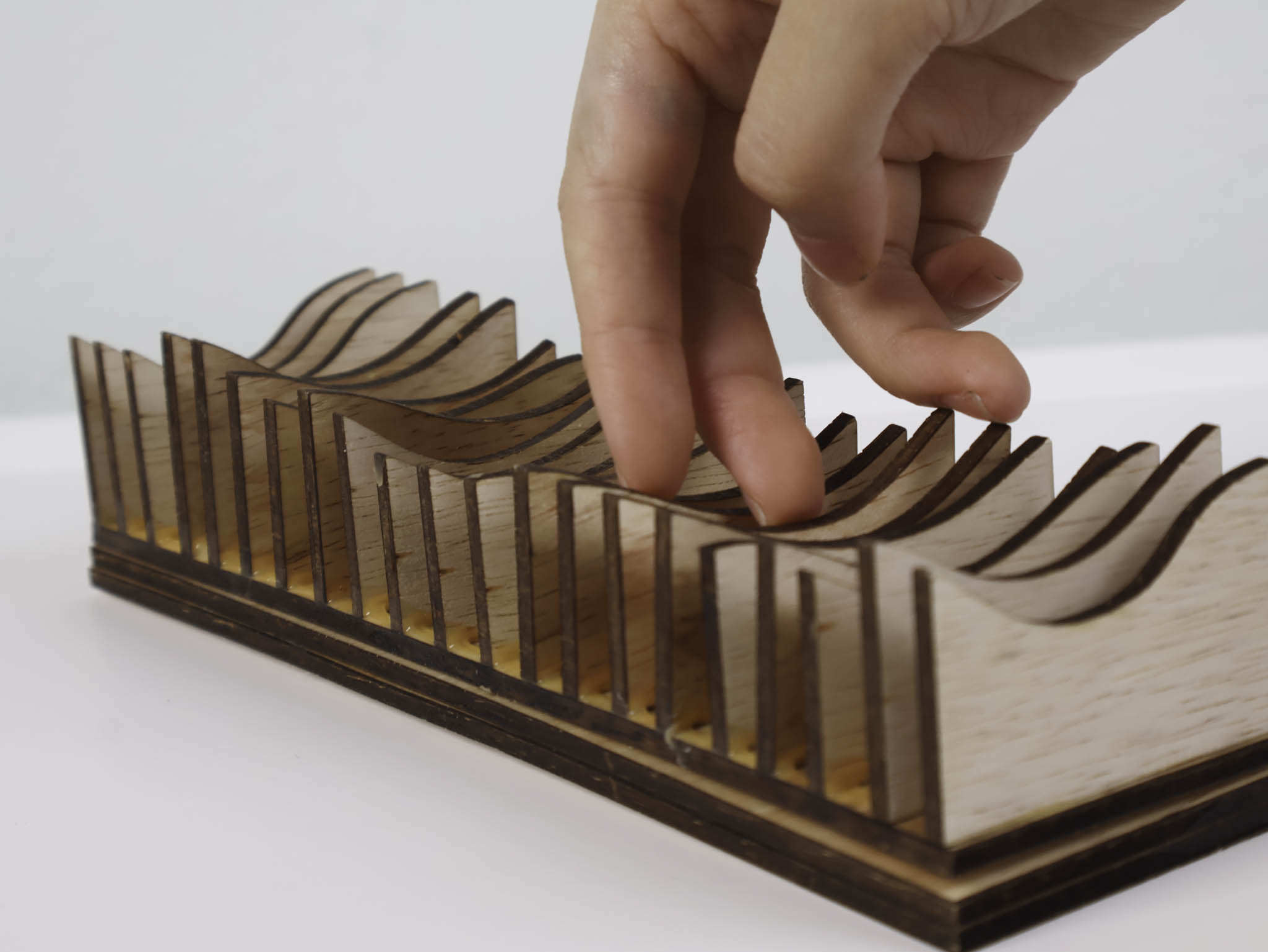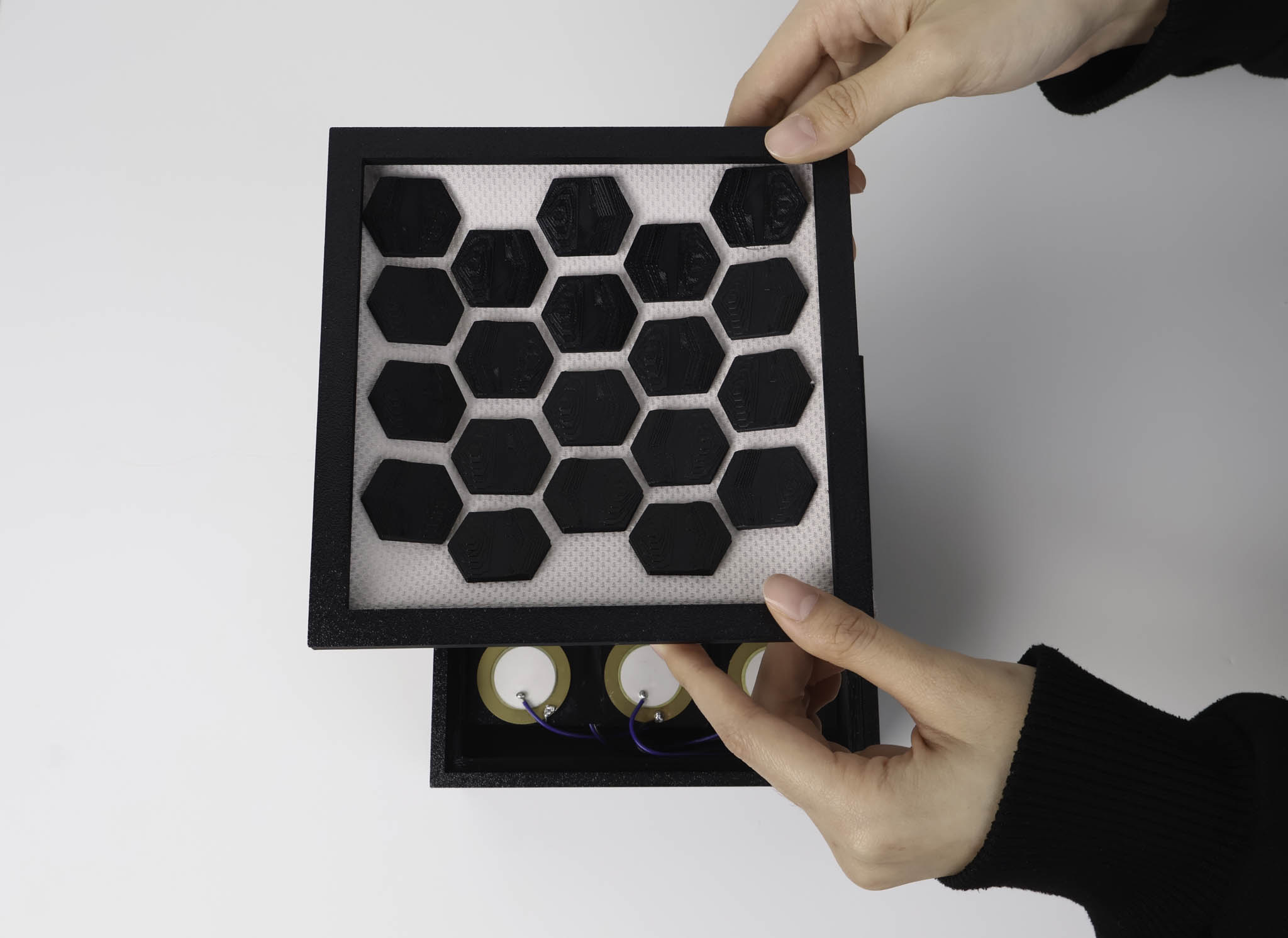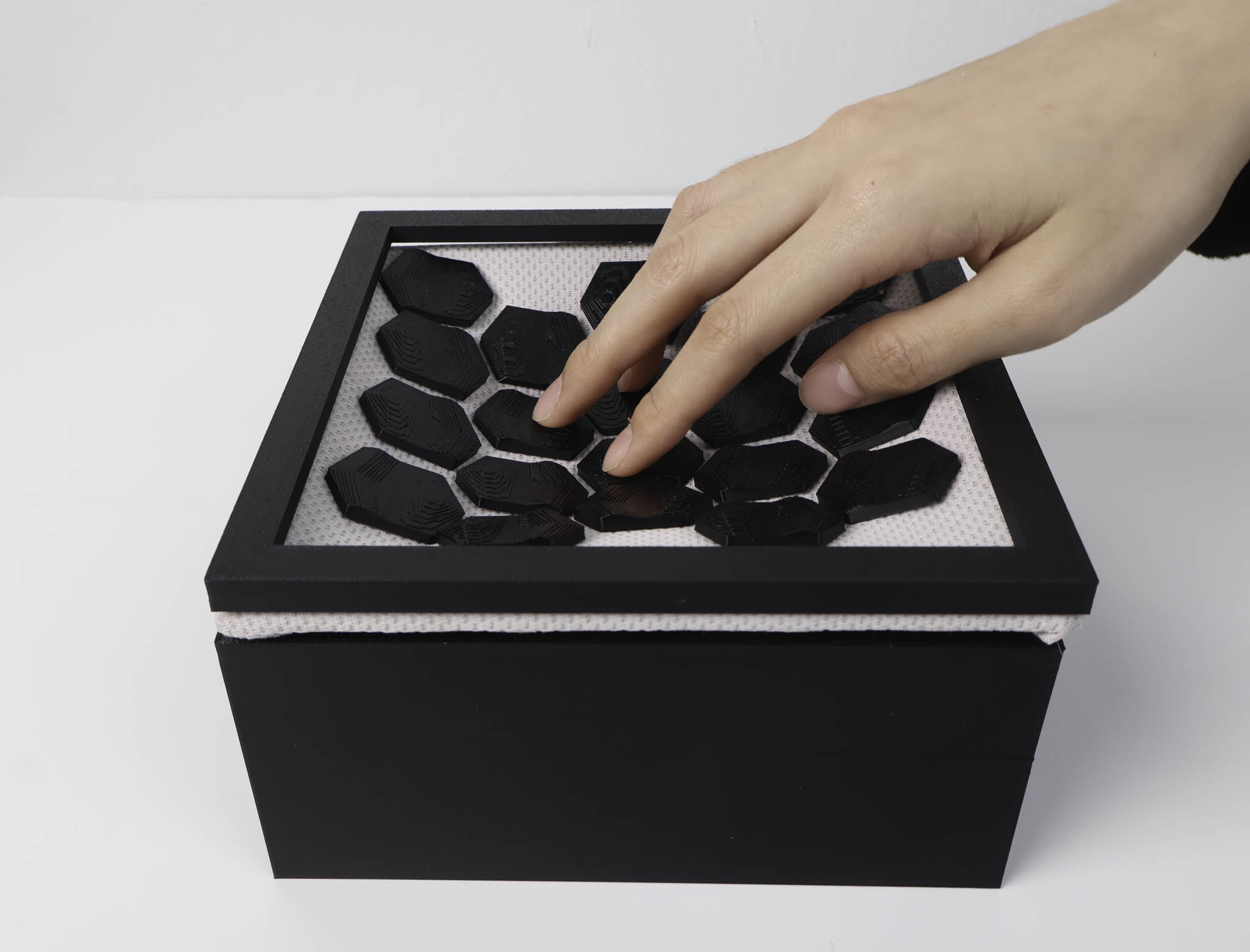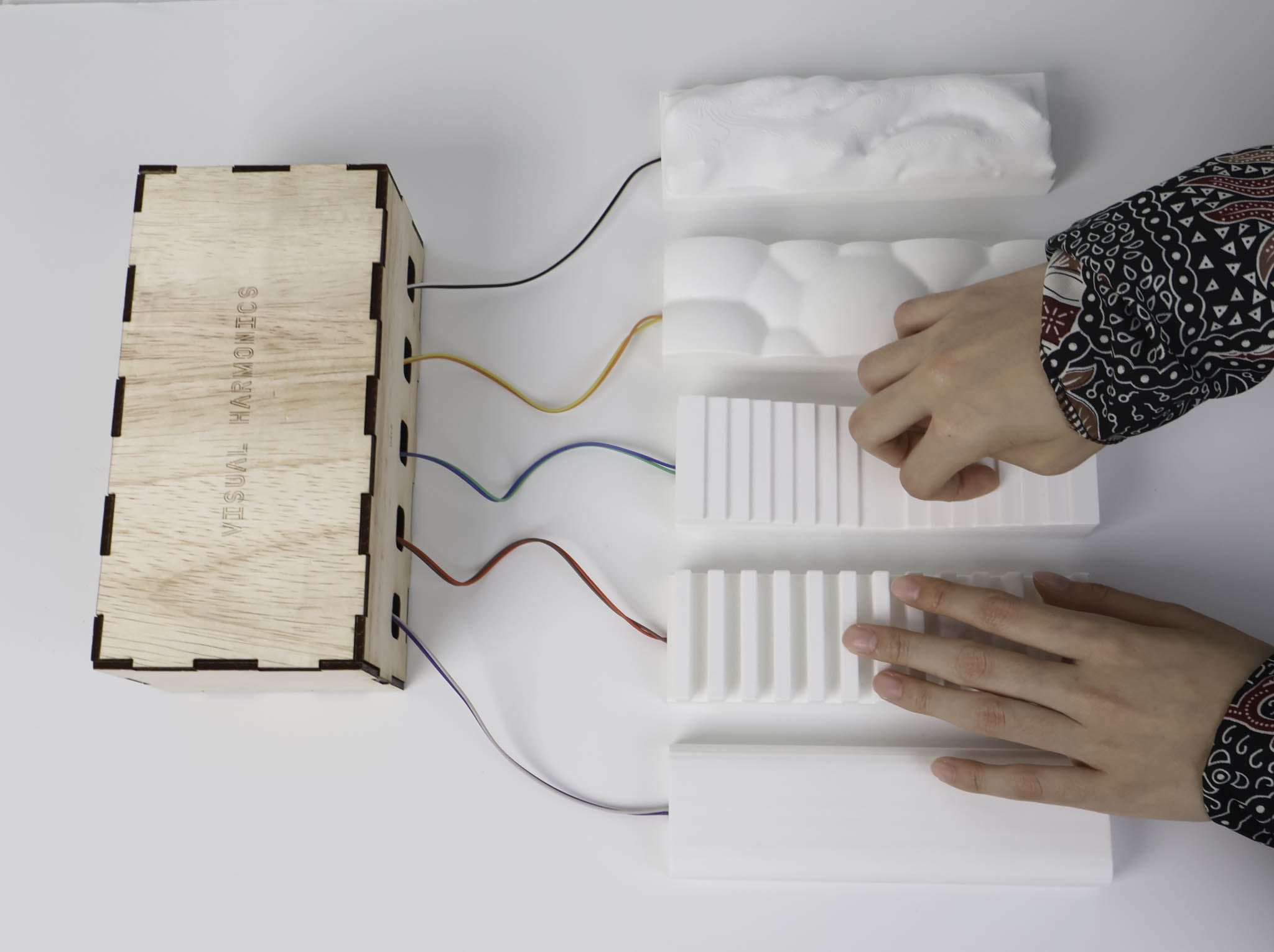
Week 7: Prototype documentation

Coming back after a family matter. The week was quieter by necessity, a slower re-entry into the work. The dissertation continued, which at this stage meant compiling and processing all the data that had accumulated from testing, interviews, and making. Getting it all into one place.

There's something clarifying about working through data after a break. The distance helps. Things that felt unresolved during the making are easier to name in retrospect.

WEEK 7

DISSERTATION

Data Compilation

Processing all accumulated data from testing, interviews, and making sessions into the dissertation writing framework.
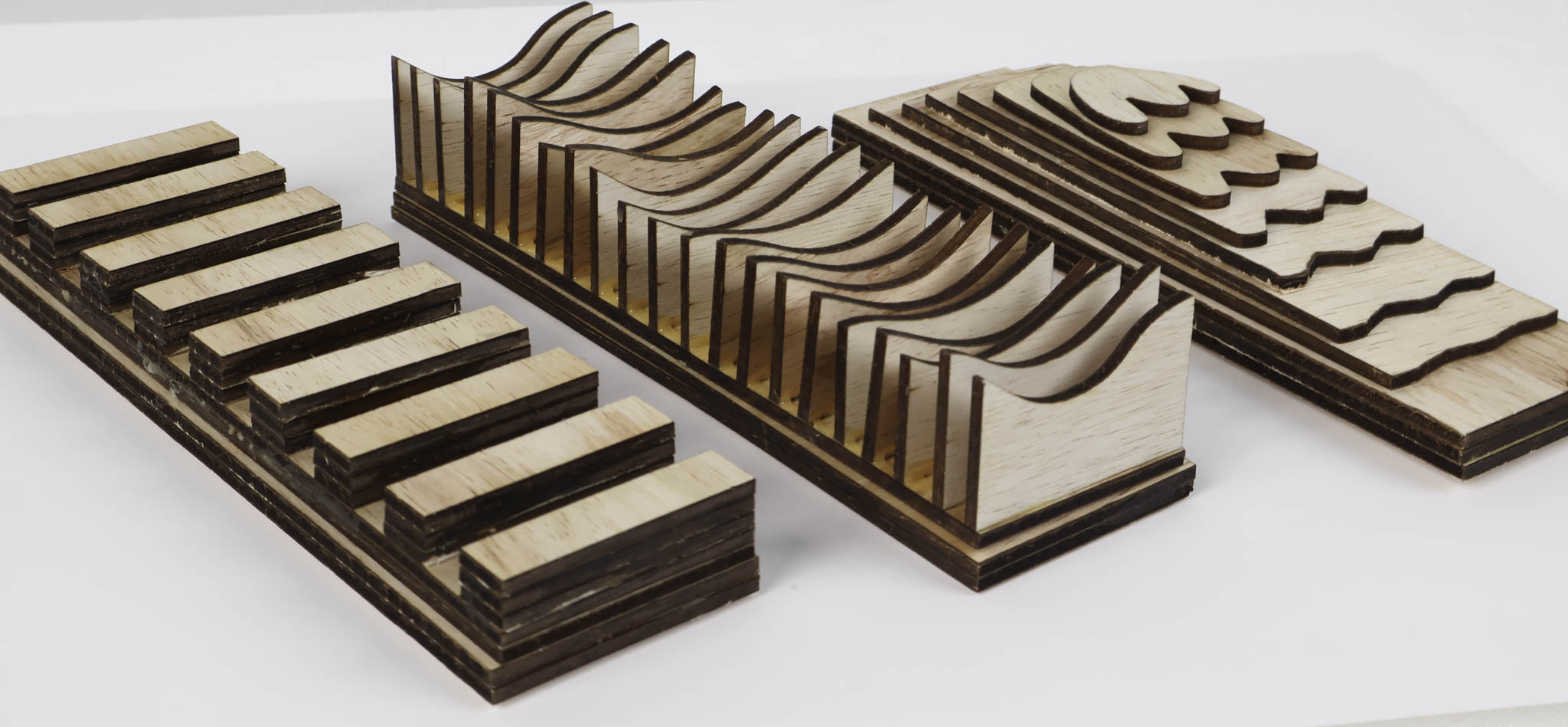
Prototype documentation

The RtD framing continues to hold. Writing through making as a method means the dissertation isn't separate from the project, it's part of it. The act of compiling the data is also the act of understanding what the project was doing.

The week wasn't dramatic. It was mostly words on a page, going through what had been collected and finding out what it meant when laid out in sequence.
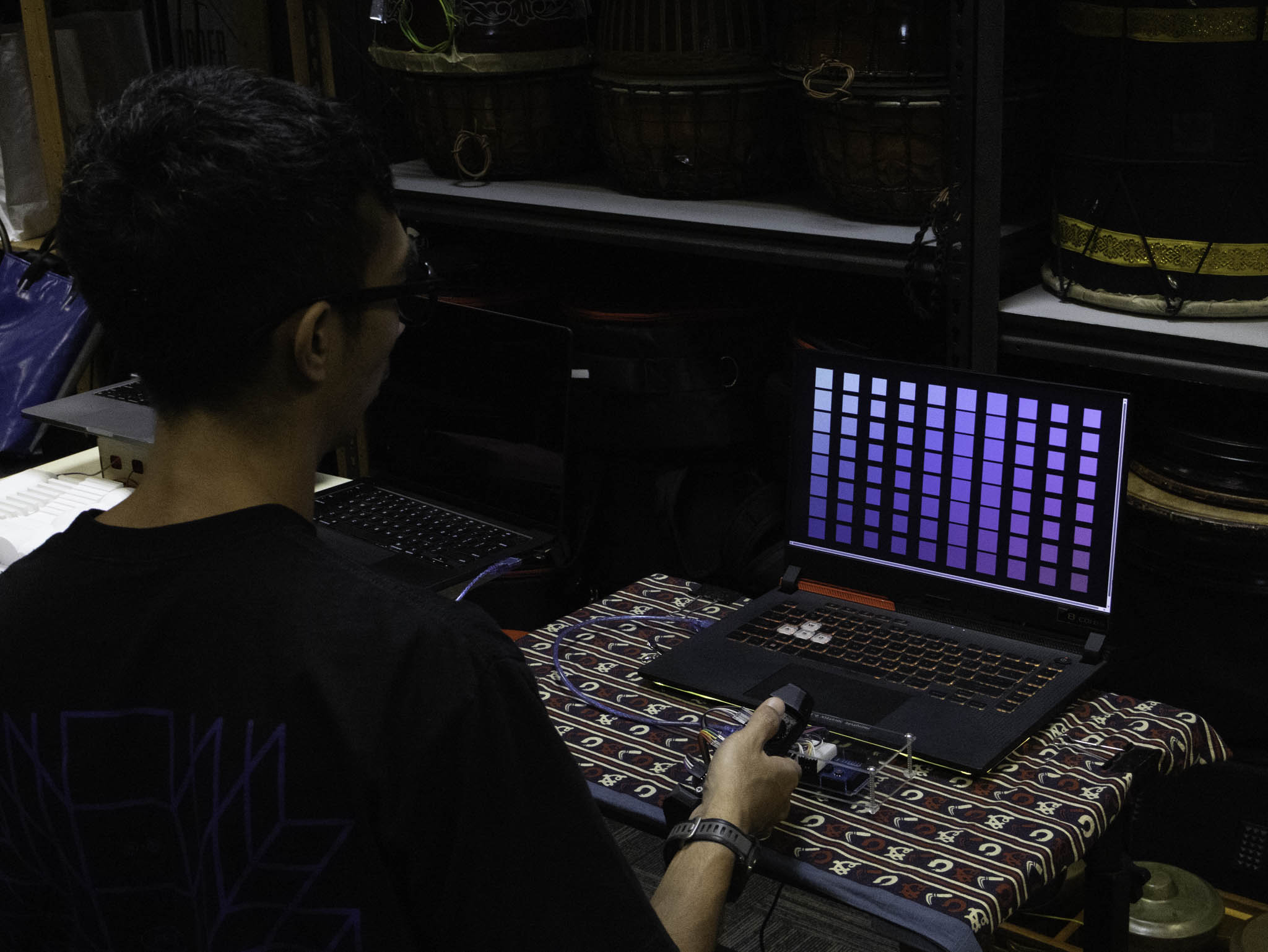
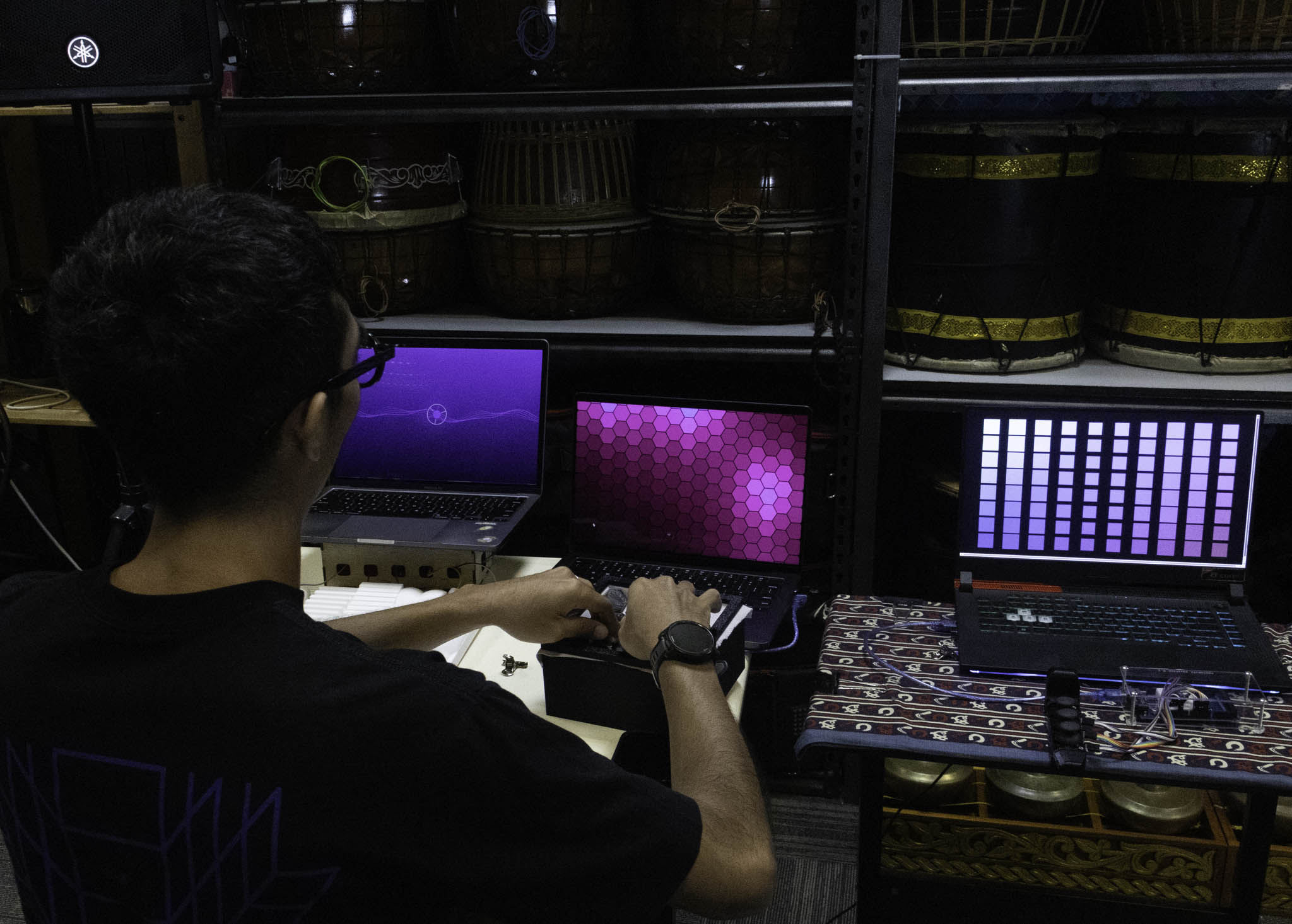
"The testing, the interviewing, the iterating, it turned out to be the research, not just preparation for it."

This dissertation taught me how to learn through making. Every prototype was a question in physical form, and every round of SUS testing and structured interviews was the discipline of listening back to the answer.

The rigour wasn't imposed. It came from the project asking for it. When users kept surfacing the same spatial confusion, the only honest response was to redesign, retest, and measure again.

The RtD framing held throughout. The dissertation isn't separate from the project; it documents the reasoning already embedded in each design decision, each adjustment made in response to what users said.

I'm glad for the breadth of skills accumulated across the year. None of them felt like boxes to tick. They were tools the project needed, and learning them changed what it could do.

01KiCad PCB Design
02Arduino / ESP32 Programming
03Bluetooth Serial Communication
04p5.js Generative Visuals
05TouchDesigner Data Mapping
063D Printing (FDM)
07Laser Cutting
08Wood Prototyping
09SUS Methodology
10Primary Research Interviewing
11Research through Design (RtD)
12Iterative Prototyping
10 SUS participants per prototype round
3 Prototypes iterated through testing
87.5 Peak SUS score, Prototype 1

"The controller's strength is in expressive duration, the sustained gesture, the held note. That wasn't planned. It emerged from the testing, and I learned to trust what the process was showing me."